
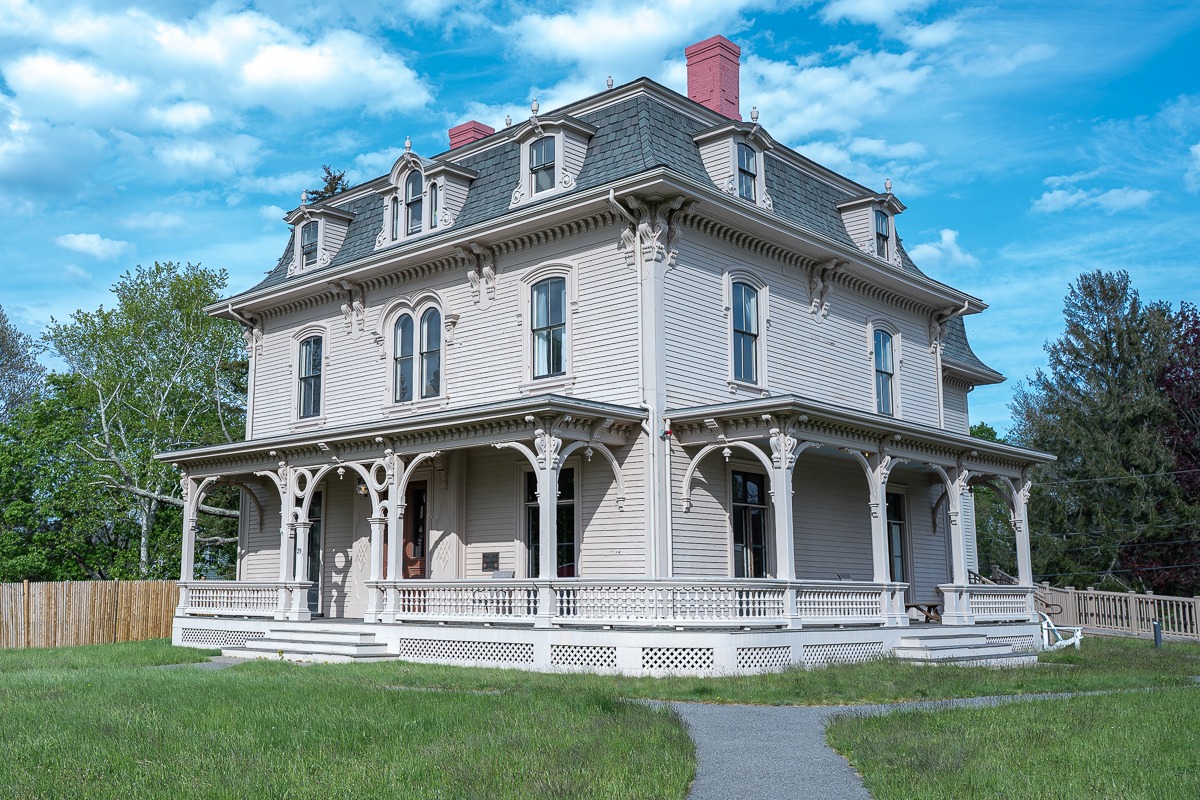
Many residents have asked me about my vote on the Simes House. As a resident of Manomet, I drive by the Simes House just about every day. I appreciate its place in our village’s history just as much as my neighbors do, and I did not approach the decision to sell this property lightly. Public service often requires balancing respect for the past with responsibility to taxpayers, and following the recent Select Board vote, I believe residents deserve a clear explanation of why this decision was made.
Since 2022, the town has held a series of public discussions regarding the future of the property. The Select Board appointed a task force, which held meetings about the future of Simes in compliance with Open Meeting Law, giving the public repeated opportunities to weigh in. After the task force completed its work, the town issued a formal Request for Proposals. The first solicitation produced no bids. The second, issued in 2025, produced just one. From the beginning, this process was transparent, open to public input, and consistent with state law.
While the Simes House is historically significant, it has also become an ongoing financial burden on taxpayers. Even after rental income was accounted for, the property was still costing the town nearly $34,000 annually in insurance and maintenance expenses. At a time when every budget line is under scrutiny, continuing to carry those recurring costs indefinitely was, in my view, irresponsible. Selling the property permanently removes that liability from taxpayers and accomplishes a reduction in expenses without reducing town services.
The $40,000 sale price has understandably generated discussion, but the reality is that this property carries substantial restrictions that significantly limit its market value. Because Community Preservation Act funds were used, the deed includes affordable housing, open space, and historic preservation restrictions that run with the land. Those protections are important because they ensure the property continues to serve the community, but they also narrow the pool of potential buyers considerably. We marketed the property twice, and the market responded accordingly.
This approach is also consistent with how Plymouth has long partnered with nonprofit organizations to achieve community goals. The town has used CPA funds to support projects such as the $3.2M Pilgrim Hall Museum roof restoration and the $3M Plymouth Area Coalition for the Homeless shelter project. In both cases, the town invested funds to preserve or create community assets without taking ownership of the buildings themselves. The Simes House arrangement reflects that same model.
Most importantly, the public is still receiving the benefits the property was intended to provide. The deed restrictions ensure the open space and passive recreational areas remain protected and available to the community, while the affordable housing component will remain available for years to come. At the same time, the property will now be maintained by an organization committed to being a responsible steward of this historic site.
This decision was made to find a realistic and financially responsible path forward. We protected the public interest, preserved the character of the property, achieved a modest budget cut for taxpayers, and ensured this landmark will continue serving the community for generations.
– David Golden
Golden is chairman of the Select Board