
Before autumn turns to winter, Beacon Hill lawmakers still have work to do if they hope to ease potentially higher utility bills, especially for customers served by Eversource.
According to state data, Eversource provides natural gas to about 640,000 customers in 121 Massachusetts cities and towns, including Plymouth. The utility recently filed a winter gas rate adjustment request with the Department of Public Utilities, which includes both standard supply cost changes and increases tied to maintenance and infrastructure.
Under the proposal, a Plymouth household using 126 therms per month would face a 13 percent increase, or $41.26 more, on its monthly gas bill. That includes a two percent increase for supply costs, 11 percent for maintenance and infrastructure investments, and less than $1 in public benefits fees.
And that’s on top of crushingly high bills from last winter that placed a financial burden on many Plymouth households.
Starting in November, residents will see those components broken out in a new bill format that is part of the state’s effort to improve billing transparency.
Governor Maura Healey has slammed Eversource’s rate hike proposal as “outrageous” and urged the DPU to closely review the request. The Legislature’s Committee on Telecommunications, Utilities, and Energy held a hearing on Sept. 25 that brought to the forefront contractionary aspects of the state’s energy direction.
Efficiency advocates, environmental groups, and clean energy backers pressed the committee to focus on long-term solutions to the high cost of energy. Many highlighted the state’s climate goals, the push to decarbonize the economy, and the role of the Mass Save program, which has come under increased scrutiny.
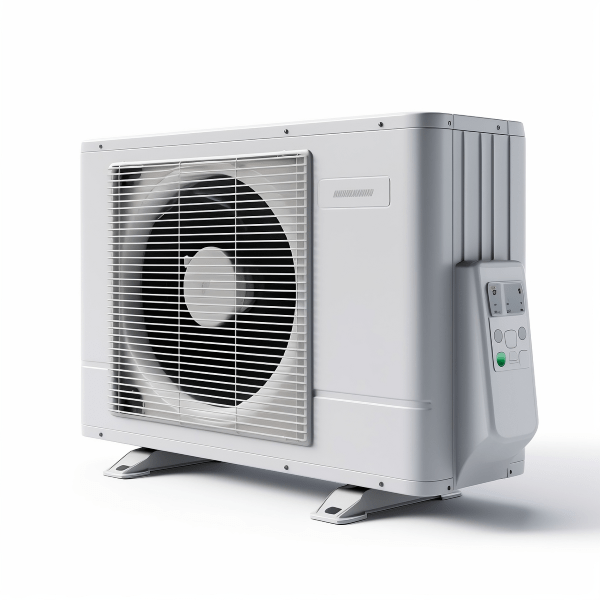
In February, the DPU approved a $4.5 billion, three-year plan for Mass Save—$500 million less than the previous plan. The program offers free home energy assessments, upgrade recommendations, and rebates for high-efficiency appliances. It also encourages households to replace gas heating systems with electric heat pumps and solar panels, improve insulation, and install energy-saving windows and doors.
Supporters said the program not only reduces reliance on fossil fuels and addresses climate change but also lowers peak demand, thereby preventing wholesale price spikes and decreasing the need to build more power plants. Together, the efforts result in overall savings across the grid, benefiting even those who did not enroll, according to advocates.
But Senate Chair Michael Barrett, D-Lexington, questioned that logic.
“Why does energy efficiency nevertheless have a reputation for being expensive rather than cost-saving?” he said. “Folks are under the mistaken impression that heat pumps are dominating the spending.”
He cited Mass Save’s three-year plan, showing that nearly 44 percent of the funding goes toward traditional and “old-fashioned” home weatherization, while only about 20 percent supports the installation of heat pumps and on-site solar energy systems.
All program costs are funded through the public benefits charge on utility bills.
“Mass Save doesn’t seem impressive on its face,” said Kyle Murray, state program implementation director at Acadia Center. “If we don’t continue to do this, you’re asking constituents 5, 10, 15, 20 years from now to bear significantly higher costs.”
Rep. Jeffrey Rosario Turco, D-Winthrop, expressed concern about the program’s public messaging.
“We keep saying we’re saving $3.41 for every dollar we invest,” he said, “but that savings doesn’t show up until 30 years later.” He added that while “the program keeps saying we’re saving you money,” residents are paying more for energy each year.
Indeed, Plymouth residents who heat their homes entirely with mini-split systems were among those hit with the highest electric bills last winter. Experts say that such systems work best in conjunction with another heating source, such as a gas furnace.
Other advocates raised broader ideas during the hearing, including the creation of a zero-carbon renovation fund to help homeowners decarbonize and shift to cleaner energy sources.
But Barrett called a thorough rehabilitation or expansion of Mass Save “complicated.” He urged the state to “prioritize some changes that are more manageable” if they genuinely help improve energy affordability.
Dinghan Ming is a Boston University student enrolled in the school’s statehouse program.