
As the summer season winds down, one waterfront restaurant owner wonders why her establishment and others didn’t attract the usual crowds this year. The owner – who asked that her name be withheld out of fear of derogatory comments on social media that might further hurt business – said tourists have been filling up parking lots and walking up and down Water Street, but they don’t seem to be spending as much money.
“People come into this restaurant and they’re like, ‘Why is it so dead? This place is so good.’” she said. “And I know I’m not the only one.”
But gauging the overall business climate of the competitive local restaurant scene isn’t easy. Waterfront and downtown restaurant owners are reporting mixed experiences during what, for some, should have been their busiest season. Robust summer revenue is especially crucial for waterfront establishments because it helps offset the traditionally slower winter months.
Business was down 30 to 35 percent in June compared with last year – partly due to that month’s rainy weekends, the anonymous owner said. July was off by 10 to 15 percent, and receipts dropped by about 10 percent during the first part of August.
Other than the bad weekend weather of June, some attribute the decline to resentment over tariffs imposed by the United States, and visitors’ fear of being detained at the borders and airports that have kept some international tourists away.
And now, with the job market getting tighter, there are increasing worries that consumers will pull back on dining out and other such spending, especially since food prices have escalated over the last couple of years. For example, salads in some Plymouth restaurants are approaching $20, and that $9 glass of wine is now $14 or more.
On top of that, economists say an expected interest rate cut by the Federal Reserve – in response to the slowing job market – could light a match under smoldering inflation.
There’s no doubt that it’s been a rough year for some local restaurants. Su Casa and Proof 22 have closed permanently. Carmen’s Café Nicole was forced to shut down when the state Department of Revenue seized the restaurant for unpaid taxes, and The New World Tavern owes more than $131,000 in meals taxes.
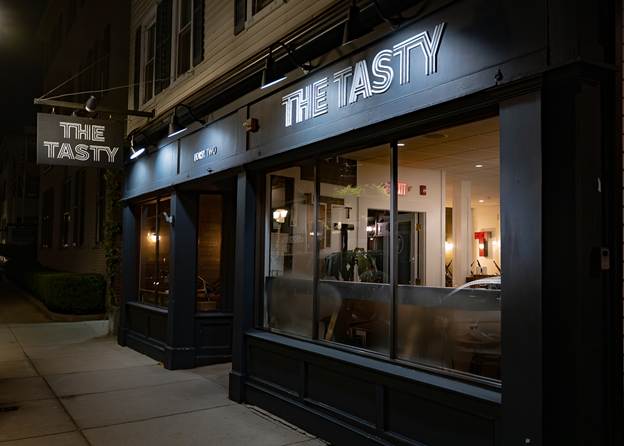
Nina Peters, co-owner of two Court Street mainstays – The Tasty and Honey Baby – cites a drop-off in tourist as a reason for slumping revenues.
“Even Saturdays are down, which is troubling,” Peters said.
But based on state numbers, not everyone is feeling the pinch
According to the Department of Revenue, local meals taxes for Plymouth were up 5 percent in April, May, and June, from $456,930 last year to $479,758 this year. (The second quarter is the latest for which figures are available.) Plymouth charges a .75 percent local option meals tax on top of the state tax of 6.25 percent.
There is a caveat, however – some or all those increases might have been because prices are higher, hence more tax money was collected. It doesn’t necessarily mean restaurants a profiting more.
Not all of the reports from restaurateurs are glum.
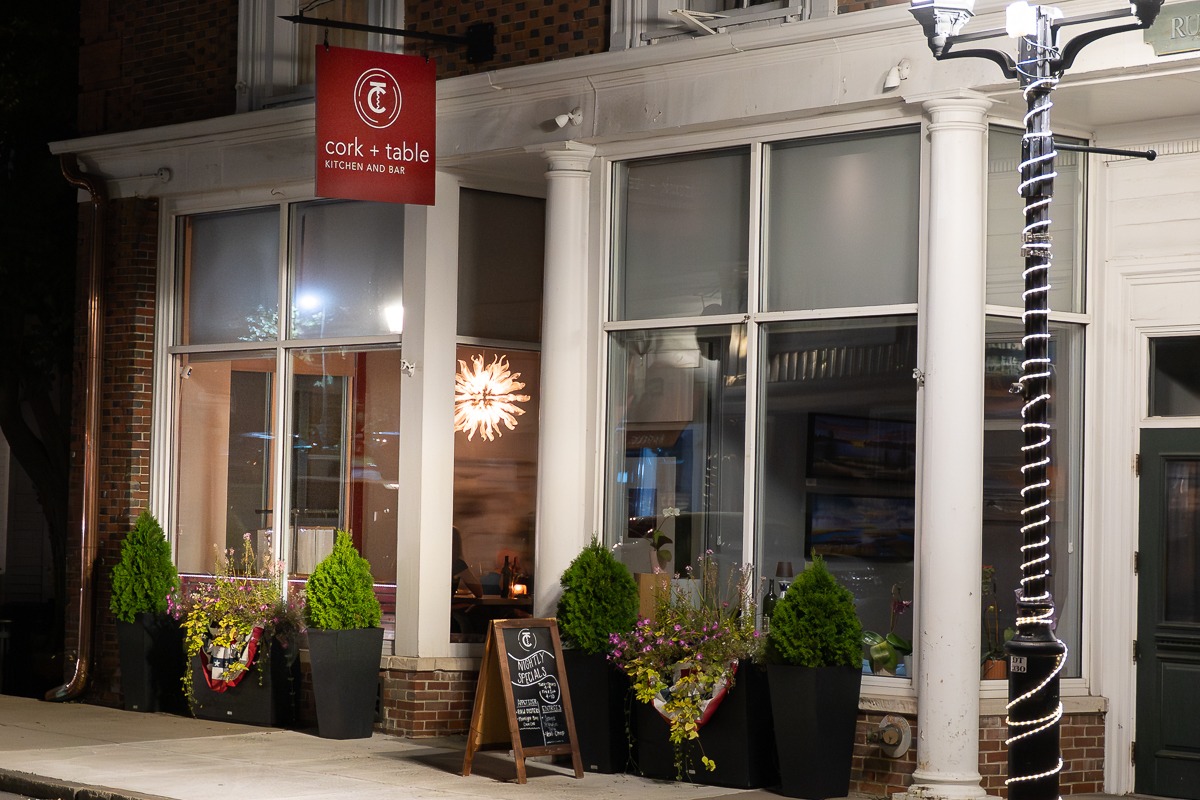
Cork + Table, also on Court Street and one of the town’s higher-end restaurants, has done just fine this summer, according to co-owner Deb Tannis. In fact, business was better than last summer. And it was just a prelude to what is traditionally Cork + Table’s best time of year – from now until the end of the year.
“Business has been good,” said Tannis, who added that the restaurant caters mainly to locals, so its success doesn’t hinge on the whims of visitors.
“Our business is not really tourist driven,” she said.
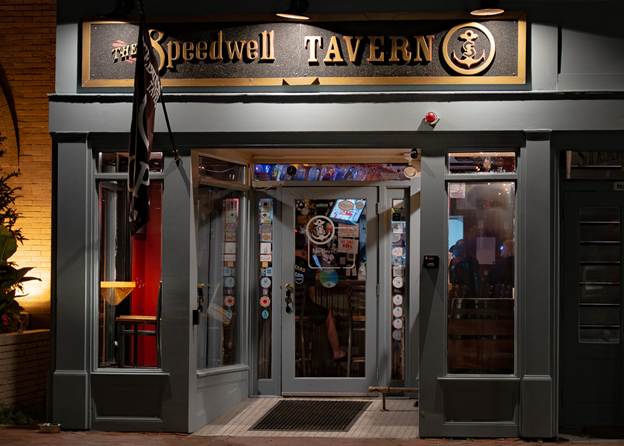
Jordan Chabot, owner of Speedwell Tavern downtown, said in an email that his business also has been strong during the summer,
“better than previous [ones] in recent memory with a lot of help coming from the cruises and tour buses. I feel like tourism is making its way to Main and Court streets more than [in] previous years.”
Getting tourists to make the short uphill walk from the waterfront to downtown has long been a problem, despite efforts to lure more of them from the harbor area.
And overall, restaurant owners say, a big driver of profits – alcohol sales -have sputtered as more people moderate their drinking for health reasons or turn to marijuana products as an alternative.
“Alcohol sales are down,” Chabot said. “Beer sales are for sure down. The casual late night social drinker is a dying breed.”
Still, Anjeo – in its second summer on Main Street – sold plenty of its signature margaritas all summer, the recently opened Turmeric House just got its liquor license and is packed on most nights, and the new Kogi Korean restaurant just moved into a beautifully appointed new home at 35 Main St.
Fred Thys can be reached at fred@plymouthindependent.org.