
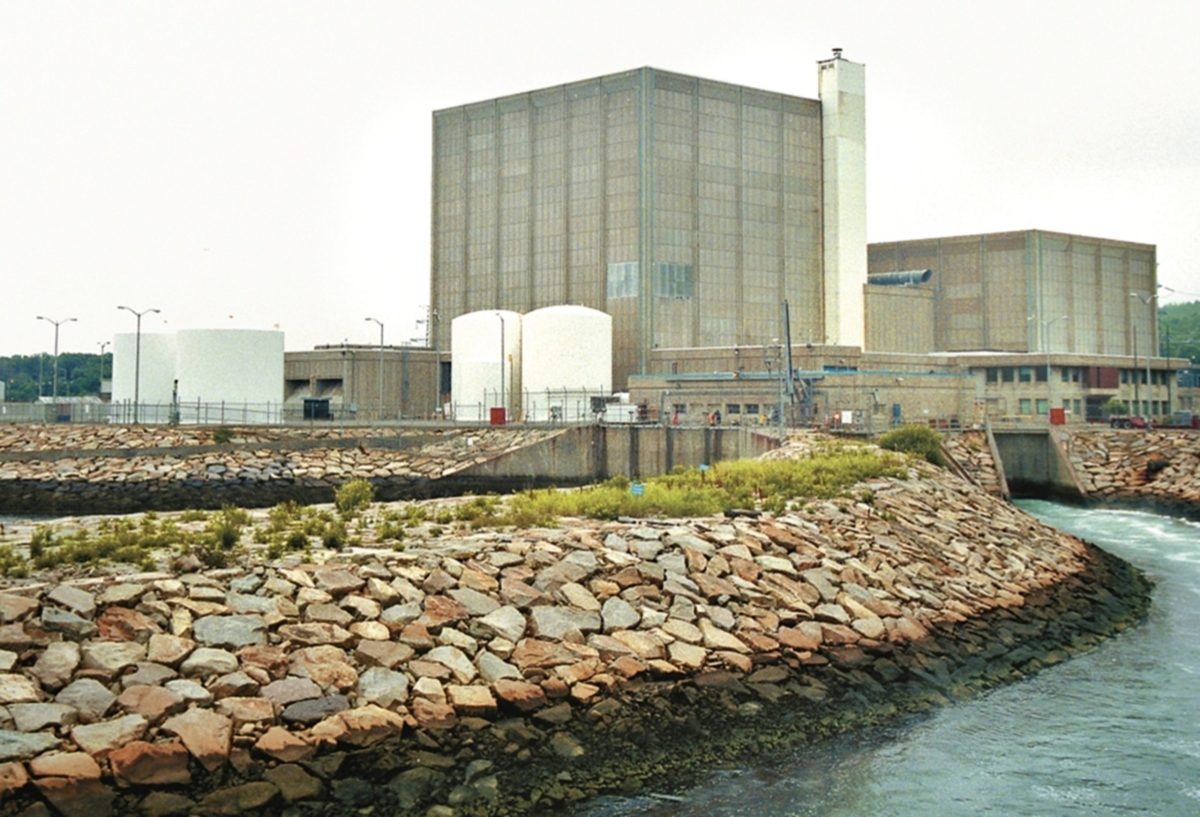
Betty Cavacco and Dick Quintal are running as a Team for Select Board. They say that it’s getting too expensive to live here in Plymouth. Right! For Sure! They want to fix things primarily by “making the most of what is already here”: the site of the former Nuclear Power Plant, by possibly having Small Modular nuclear) Reactors, SMR’s, to generate tax revenue. What?! This is going to make a dent in our fiscal crisis!? Is this a good idea? No, and no. Let me explain.
The crisis is now and SMT’s are experimental future technology. Apart from any licensing and environmental considerations which are major, time-consuming hurdles, they would also require significant customer demand and supply chains to make modular construction economically feasible. We obviously don’t have decades!
But there is another enormously more important reason for “no” – our health. A scientific study published in 2025 that I believe was exceptionally well done, clearly points out the increasing risk of cancers with proximity to nuclear plants. The study used information from the Massachusetts Cancer Registry and proximity of residents by their Massachusetts zip code to seven nuclear plants: Pilgrim, Seabrook, Vermont Yankee, Millstone, Indian Point, Connecticut Yankee and Yankee Rowe. But even now, thanks to Pilgrim being decommissioned, additional radioactive particles are being released into the air, not Plymouth Harbor, the very air we all breathe. Ah me, sometimes, I wish I were a fish in the environmentally protected harbor.
And about the spent fuel, Plymouth cannot unilaterally decide to charge a fee or similar for its storage. Massachusetts State Legislature would have to pass a law authorizing such based on non-safety issues such as loss of tax base or community impacts. Furthermore, spent fuel from Pilgrim is not directly reusable in SMTs. It would require reprocessing and new spent fuel storage techniques that don’t exist yet.
So, no easy money here from Pilgrim. Nuclear isn’t the answer today and it isn’t the answer tomorrow for our municipal revenue issues, though it may well have its place in our warming climate.
– Ann Quill, former Environmental Scientist