
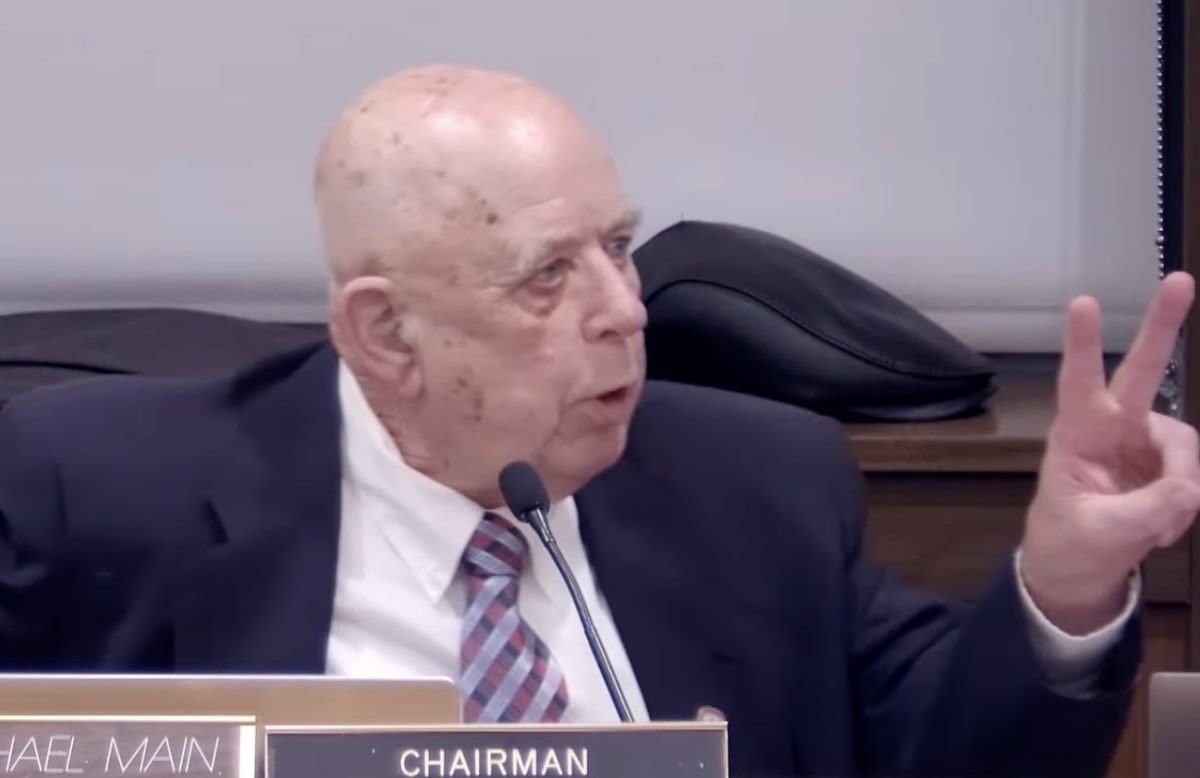
Rattled by relentless pressure from a large group of vocal opponents to a North Plymouth condo proposal, members of the town’s zoning board of appeals took to their microphones Monday night to lament their helplessness to stop it.
Their dramatic pleas were met with boos from a vocal crowd that has protested for months in an effort to kill Pulte Homes’ planned 163-unit complex.
The project includes affordable housing units under what is commonly known as the state’s 40B law, which gives local authorities little leeway to object.
The atmosphere was so tense during the final public hearing before a ZBA vote on the measure that some board members raised their voices and lost their tempers.
“We’re arguing the law,” ZBA Chairman Michael Main said. “I will tell everybody in this audience, I don’t like this project. I haven’t liked it since the very first day it came forward and I still don’t like it.”
Early in the meeting, Main asked Pulte representatives if they would agree to a 60-day extension, as requested by a group of residents. They said no.
Pulte’s lawyer then asked the town to waive certain fees for the affordable units — to demonstrate the town’s commitment to affordable housing. The request prompted Main to scoff and residents to jeer.
Since hearings began in September, dozens of citizens have attended meeting after meeting to slam the 163-unit project, which would be spread over almost three acres between Prince Street and Sandri Drive.
They’ve cited increased traffic, lack of sufficient parking and a size grossly out of scale with the quiet tight-knit neighborhood lined with narrow streets.
In recent weeks, opposition grew even stronger after the Independent revealed how one part of the project – the six story 63-unit building on Sandri Drive – is located next to a federal Superfund site still subject to five-year reviews.
The property also has a deed restriction, prohibiting the development of housing or recreational facilities.
In addition, the adjacent land where Pulte wants to build was found to be contaminated with arsenic, which the state ordered the property owner, Eight Mates LLC, to remove late last year.
At Monday night’s meeting, Pulte’s lawyer Stephanie Kiefer read aloud lengthy letters asserting the land is safe and free of hazardous substances. The letters had already been forwarded to board members in their meeting agenda packets.
Main then opened the final public hearing on the project — the seventh since September.
One by one, critics took to the microphones to demand the board reject the proposal, which some board members felt would be futile given their limited authority under state law.
Main grew increasingly frustrated at the comments, cutting off some speakers at the customary three-minute limit – a departure from his practice at earlier meetings to allow speakers more time.
Then Main turned his ire toward Select Board member Kevin Canty, an outspoken critic, who was in the audience.
Main called Canty to the microphone, even though Canty had not asked to speak. Their exchange was extended and testy.
“Last time you were here, you advised this board to vote against this project,” Main said. “You’re an attorney. So I’m going to ask you a few legal questions. Are you truly aware of all of the laws we are faced with here and what our restrictions are? Do you understand?”
“I am a criminal defense attorney. I do not practice in real estate or development,” Canty answered.
“So as an attorney who practices in one phase of litigation,” said Main, “you’re advising a board that has 100 years of combined experience on something that you’re not sure about the law? Is that correct?”
“One does not need to have an exhaustive knowledge of 40B to realize that this is a bad project — that you should vote against it,” Canty responded.
“No one is arguing that point,” said Main.
“But I’m stuck with the law and he knows it,” he said, looking toward Canty. “Two percent of all of the 40Bs in Massachusetts get litigated and turned down.”
Retorted Canty: “Well, 100 percent of the ones that are approved by ZBAs go forward.”
“Give me case law,” exhorted Main, “something that I can stand on so that I can make an intelligent vote. We can sue these people. Who is going to pay for it? Because you know as a selectman that if we do anything like that it’s a minimum $100,000…
“We’ve been down this road before and spent that kind of money before and got nothing for it.”
Canty disagreed.
“I think it is a worthwhile expenditure from the town to litigate this project and fight this for the residents,” he said. “Not just the residents of North Plymouth…
“For too long this community has allowed out of town developers like these to determine its future and its destiny and all of us are standing up against this,” he said.
When Canty claimed Plymouth residents had never shown such concerted opposition to a project, Main and fellow board member, Peter Conner, jumped in.
“In every 40B we have done, it’s been like this Mr. Canty,” said Main. “You haven’t been there.”
Added Conner: “I was chairman for 15 years. I’ve seen a few of these 40Bs and I can tell you I’ve never seen you at one of them. Don’t you tell me this exceeds other ones because we’ve had a few other ones that were the same way.”
“Stop!” shouted Main, before instructing Canty to return to his seat.
“Mr. Canty all I want to say to you is this is not a room you campaign in. This is a room where serious stuff is done,” he said. Residents in the room booed.
The board has 40 days to make a decision. It scheduled another meeting for April 6, where the board will deliberate in public before voting, Main said.
Under state law, developers who agree to set aside at least 25 percent of a project as affordable units can bypass most local zoning rules — like height and set back restrictions.
All they need is a comprehensive permit from a town’s zoning board.
The Select Board appoints the members of the zoning board. Main is not seeking reappointment when his term is up on June 30.
Canty is up for reelection in May.
Andrea Estes can be reached at andrea@plymouthindependent.org.