
The town has succeeded, at least for now, in blocking a large residential development on the site of the Atlantic Country Club in South Plymouth.
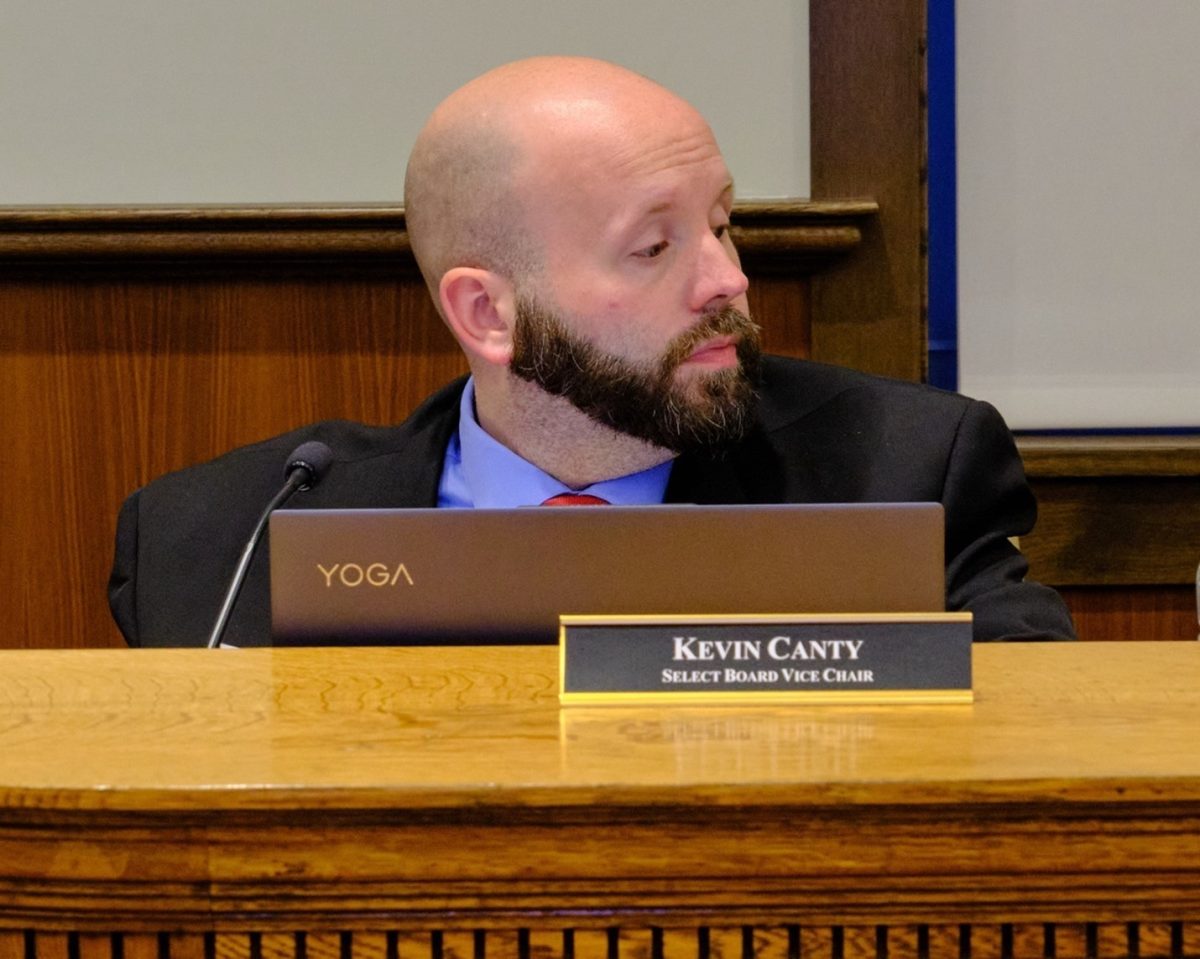
Select Board chair Kevin Canty said Wednesday that he was told by the town’s lawyer that the club’s prospective buyer had withdrawn his offer to purchase the property.
“We’re very happy to hear that the buyer has pulled away,” said Canty. “South Plymouth certainly did not need a residential development of this density down there and I’m confident the residents there and throughout the town will be happy with this victory.”
For months, the town has delayed acting on a request from the club’s owners, the McSharry family, to either match the $19 million offer made by Duxbury developer Ben Virga or decline to exercise its legal right of first refusal.
Since April, lawyers on both sides have been batting proposals back and forth — though it seems the town’s intention was to delay making a decision for as long as possible.
Now, the reason has become clearer.
Just last week, the state placed Plymouth in what’s called safe harbor status. That means for the next two years, the town can reject 40b affordable housing developments or require major concessions from developers.
The change in status was prompted by the Plymouth Zoning Board of Appeal’s Aug. 11 approval of AvalonBay’s Kanso Plymouth project at Colony Place.
Though the proposed complex is massive and was opposed by neighbors, the approval of its 300 units pushed the town over the 257 units required for temporary safe harbor status.
Town officials have generally opposed 40b projects because they can bypass zoning and other town rules. For example, at more than 60 feet high, Kanso Plymouth will far exceed the 35-foot limit the zoning code would otherwise allow.
To be able to reject 40b developments, the town’s housing stock must be at least 10 percent affordable.
In rental 40b developments like Kanso Plymouth, all units are counted toward the town’s affordable housing inventory even though only a portion of them are classified as affordable. In Kanso Plymouth, for example, only 75 units will be marketed as affordable — that is, rented at below market rates.
Though Virga hasn’t detailed his plans for the 180-plus acre property on Little Sandy Pond Road, Canty and others believed the only financially feasible project would be a large-scale 40b.
Neighbors feared the developer would build hundreds of housing units, changing the character of an area where zoning rules have traditionally required large lots.
The town had the right to match any “bona fide” offer to purchase the land because it was classified for recreational use under a state law called 61b and subject to a lower property tax rate.
The club owners recently took the property out of recreation status, and it is now being fully taxed.
That means that the owners will have to reimburse the town for five years of tax breaks. But it also means that after one year, the town loses its right of first refusal.
Virga said the owners want to wait out the year and reassess their options at that time.
Since safe harbor is only temporary, the developer could come back and either try to negotiate an acceptable plan with the town or wait two years gambling that the town will lose its safe harbor status and not be able to stop future 40b projects.
Even with the possible addition of another 41 affordable units at the proposed Pulte condominium project in North Plymouth, the town still won’t hit the 10 percent mark, officials said. That would require another 302 units, according to Lee Hartmann, the town’s director of planning and development.
Andrea Estes can be reached at andrea@plymouthindependent.org.