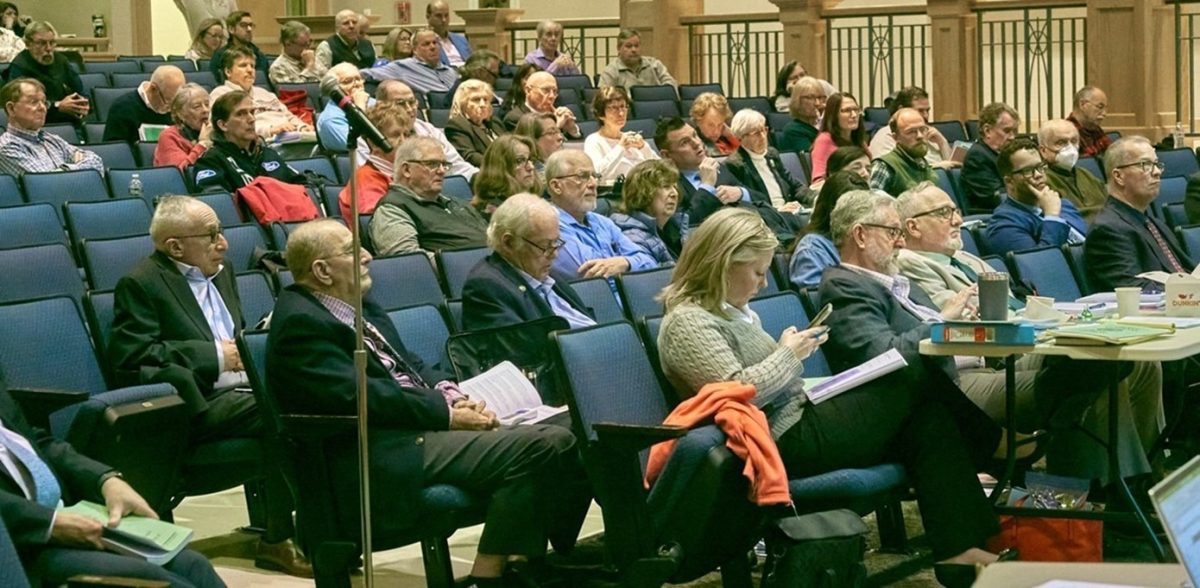
In 1622, Plymouth held its first town meeting. At the time, the town had roughly 100 residents. With such a small population and no broader governmental structure to rely on, town meeting was both practical and effective. It allowed citizens to gather, deliberate, and make decisions that directly affected their daily lives.
That was more than 400 years ago.
Since then, towns have grown into cities, colonies have become states, and a new nation has emerged. Systems of governance have evolved to meet changing needs. Yet Plymouth has remained largely unchanged, still relying on a form of government designed for a village, not a modern municipality.
Today, Plymouth’s population exceeds 68,000. It is now one of the largest communities in Massachusetts still operating under the town meeting model. In fact, only one other municipality of comparable size—Brookline—continues to use it. What once worked well for a small settlement is no longer adequate for a town of this scale and complexity.
Two town meetings a year are not enough to effectively govern a community of this size. Critical decisions are delayed. Opportunities are missed. Coordination with town departments, financial planning, and long-term strategy all suffer under a system that simply cannot keep pace with modern demands.
It doesn’t have to be this way.
Most municipalities in Massachusetts recognized long ago that growing populations require more responsive and accountable forms of government. Plymouth should follow that lead by adopting a structure with an elected mayor and a representative town council.
An elected mayor would provide leadership, set priorities, and be directly accountable to the people. A town council—comprised of 6 district and 3 at-large representatives—would meet regularly to address issues as they arise, pass legislation, and ensure that the town’s business is conducted efficiently. Separate branches of government would also provide necessary checks and balances.
Equally important, shorter terms—such as two years—would give voters frequent opportunities to hold their elected officials accountable.
This is not about abandoning Plymouth’s identity or traditions. It is about recognizing that effective governance must evolve along with the community it serves. Clinging to an outdated system out of nostalgia does a disservice to residents who deserve timely decisions, responsible financial management, and clear leadership.
Plymouth is facing real financial challenges in the years ahead. Addressing them will require foresight, coordination, and the ability to act decisively. Waiting until frustration builds—perhaps around something like a Proposition 2½ override—risks forcing change under pressure rather than through thoughtful planning.
There is a reason nearly every other community of Plymouth’s size has moved on from town meeting. The question is not whether change is necessary, but whether Plymouth is willing to act before circumstances force its hand.
– Bill Arienti