
Plymouth officials have unveiled a proposal to regulate the use of electric bikes on town roadways that includes age restrictions, mandatory helmets and registration with the town.
But the draft measure, governing what they called “micro-mobility devices,” would not apply to the bikes Plymouth police have said are the most dangerous — electric ones without pedals that can travel at speeds of up to 50 miles an hour. Those bikes, the town said, are regulated by state law.
That was the type of bike involved in a horrific head-on crash on the waterfront in May. Two teens, 14 and 15 years old, were riding tandem on the bike when they allegedly crashed into a Jeep in the opposite lane.
The bike was a Surron Light Bee X, with a price tag of more than $4,000. Essentially an electric dirt bike, they are not permitted on public streets statewide.
The proposal to regulate some e-bikes came out of meetings among department heads setting priorities for the coming year, said Town Manager Derek Brindisi.
Police Chief Dana Flynn, who was at Tuesday’s Select Board meeting – at which the proposal was discussed – indicated support for the measure.
In June, after receiving a flurry of complaints, police issued a public service announcement warning people that the electric, pedal-less bikes are considered recreational vehicles and are not legal for use on public ways. Following that message, they said, the number of complaints decreased.
Even off road, riders are supposed to comply with certain rules. Those include wearing a state-approved helmet, a mandatory safety course for anyone under 18, and a prohibition on younger people operating the bikes without adult supervision.
During Tuesday’s meeting, Health and Human Services Commissioner Michelle Bratti presented the e-bike proposal to the Select Board, noting the volume of complaints received by police.
The presentation did not distinguish between the complaints about pedal-less (electric dirt bikes) and less powerful e-bikes, which the town is seeking to regulate.
Regular e-bikes have motors that kick in either when the rider pedals or they are activated by a throttle. They are slower than e-dirt bikes, and generally cannot reach speeds above 25
But both types of bikes can be dangerous.
In June, a 13-year-old boy on a traditional e-bike was seriously injured when he was struck by a car at the intersection of White Horse and Rocky Hill roads, according to police.
Under the town’s proposal, e-bike operators could ride their bikes on public and private roads but would be subject to strict rules. They would have to be at least 16-½, years old if they have a driver’s license, and older if they don’t. (The proposal does not specify an age.)
Riders would also need to register their bike with the town and wear a helmet.
They could ride their e-bikes only on public and private roads and designated bike lanes — not on bike paths, trails or beaches. And they would have to slow down and announce themselves whenever they passed a pedestrian.
Violators could face fines — $100 for the first offense, $200 for the second, and $300 for the third and subsequent offenses.
Plymouth Communications Coordinator Casey Kennedy said in an email that the town has determined based on their “rapid growth, unregulated and unsafe use” that “targeted regulation of e-bikes is necessary to enhance community safety.”
Town officials did not include electric dirt bikes in their proposed regulations, she said, because they are already governed by state law.
Plymouth police will enforce the existing state laws banning electric dirt bikes on public roads, according to Captain Marc Higgins.
Kennedy did not say whether officials are concerned that residents could be confused by the proposal and think that the town has loosened the rules and is now allowing electric dirt bikes on public streets.
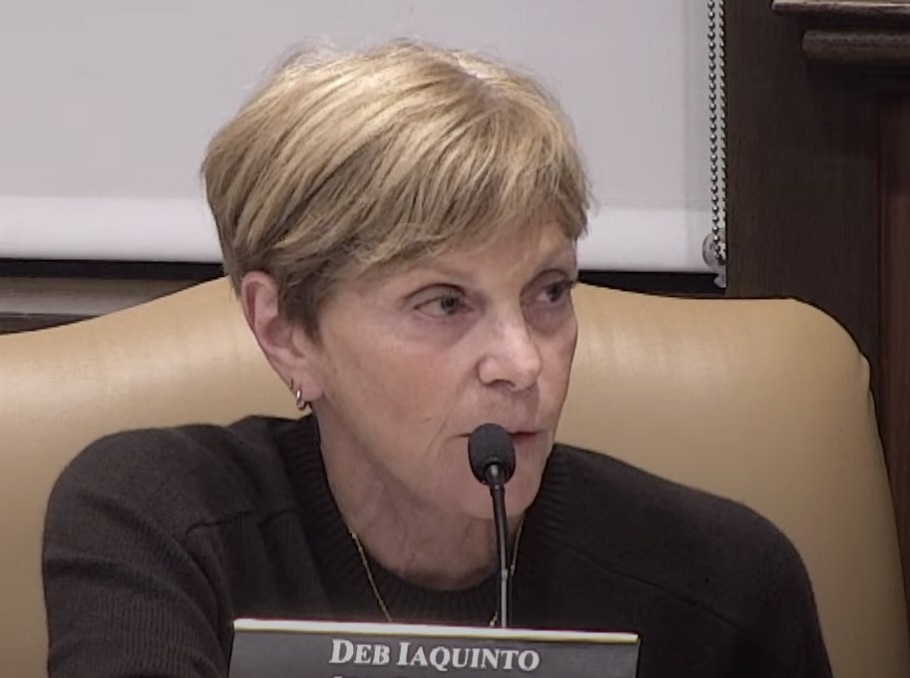
“We’re trying to target irresponsible driving,” said Select Board member Deb Iaquinto. “We want to make sure that’s what we’re really getting at.”
Iaquinto questioned whether e-bike operators should be excluded from bike paths since some riders may not be physically able to pedal all the time and could use the electric boost.
State regulations allow e-bikes on bike paths, although communities can impose their own restrictions.
After Bratti’s hour-long presentation, Select Board members said they want to discuss the proposal again at future meetings before deciding whether to put the measure before spring Town Meeting.
“It’s not something I could vote for currently, though I like the concept,” said Select Board member Kevin Canty.
After the meeting, Canty said hopes the board will come up with a “more comprehensive solution that addresses as much as of the problem as is possible.”
That might include extending the regulations to electric dirt bikes.
If Town Meeting members were to okay an e-bike proposal, it would go to the state Legislature for approval. The town could also enact a bylaw, which would take less time to go into effect.
Andrea Estes can be reached at andrea@plymouthindependent.org.