
Plymouth electric bike riders can keep cycling freely after the Select Board Tuesday rejected proposed regulations that would have set conditions on the bikes’ use.
The board voted 3-2 against submitting an e-bike bylaw to spring Town Meeting — even after proponents offered a watered-down version of the original measure. That means rules governing their use will not be considered before the October Town Meeting, if at all.
Gone were two provisions that many cyclists considered burdensome: a requirement that the motorized bikes be registered with the police, for a fee, and another limiting their use to roads. Under the revised measure, e-bike riders would be allowed on the town’s bike paths and trails.
Still included were requirements that riders wear helmets and be at least 16-1/2 years old. And the bylaw would have set penalties for reckless cycling.
The proposal sought to regulate only Class 1 and 2 e-bikes, bikes with pedals, which can reach speeds up to 20 mph. The rules would not apply to pedal-less electric dirt bikes — which can go as fast as 50 mph — and are banned from public roads by state law.
The proposed bylaw was designed to make the increasingly popular electric bicycles safer for riders, as well as for motorists and pedestrians who get in their way.
Sponsors of the measure said some cyclists, many of them young, don’t know the rules of the road and have been zipping around town, cutting off cars, riding on sidewalks, and harassing motorists and pedestrians.
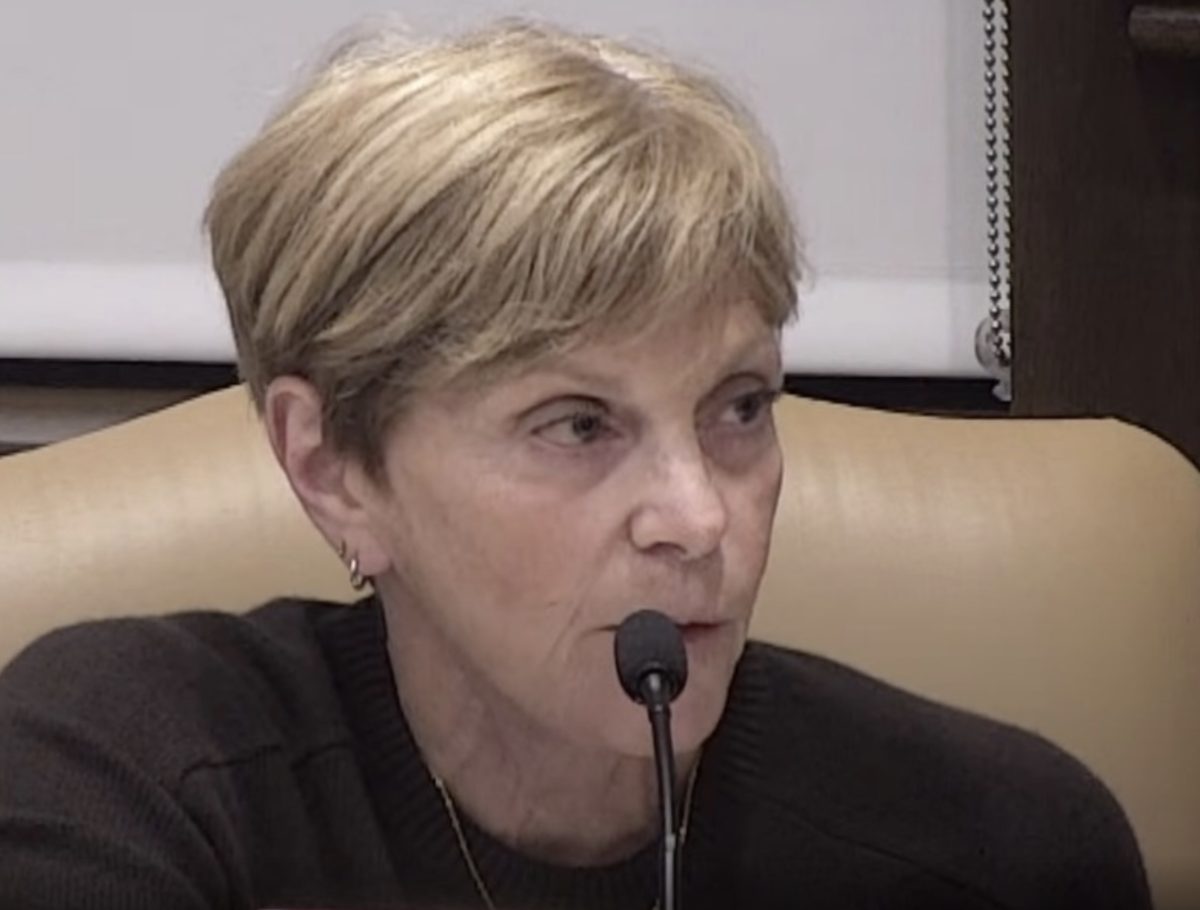
“If we don’t define expectations, we end up with confusion, frustration and serious injuries,” said Select Board member Deb Iaquinto, the driving force behind the effort to establish rules.
But many e-bike enthusiasts opposed the measure, saying it would penalize people who use the bikes responsibly for recreation and fitness. Comments solicited by the board were largely negative.
At Tuesday’s meeting, only Kevin Canty joined Iaquinto in voting to send the proposed bylaw to Town Meeting.
Select Board member Bill Keohan, who voted no, suggested he could support e-bike regulations sometime in the future — if the panel solicited more public input.
“We’ve gotten some interesting feedback,” said Keohan. “I think maybe we should gain more.”
Instead of rushing to make the Dec. 17 deadline to place the measure before spring Town Meeting, he said, the board should “dot every ‘i’ and cross every ‘t.’”
Also voting no were Dick Quintal, who didn’t explain his vote, and board chair David Golden, who said he was generally opposed to more regulation.
“We do know that of those who expressed an opinion, three times the number of people who supported it were against it,” Golden said.
“I don’t think the community wants this frankly and I don’t see how I can support it because of that.”
Canty argued that immediate action was necessary to address residents’ concerns about cyclists “driving erratically outside of their homes.”
The sooner the board approves e-bike rules, he said, the sooner the town can take action against “those bad actors who are creating a public safety problem.”
“The others will be blissfully unaffected by this legislation,” he said.
On Wednesday, Iaquinto said she was “really, really shocked” by the board vote.
“We went back in and made all of the modifications to address (cyclists’) concerns,” she said. “The only one we didn’t touch was the age requirement.”
“I thought we had something that would address the public safety concerns that we had as well as the issues that people raised about not wanting to penalize responsible e-bike riders,” Iaquinto said.
So what now?
“We’ll continue to look at it,” Iaquinto said, suggesting she may propose something again in the fall.
“The popularity of these bikes is growing, and the technology is becoming more sophisticated. We just want to make sure we stay ahead of any additional public safety concerns,” she said.
Also, the state is conducting a study of electric bikes, which may help the town fashion a policy.
In the meantime, she said, the town can use education and signage to reduce safety risks.
“I thought we struck a really nice balance,” she added. “We were never for banning them. We were just trying to pull the reins on them.”
If a bylaw is eventually approved by the Select Board and town meeting, it would still have to go to the Legislature for a vote.
If approved by state lawmakers and the governor, it would become law and take effect immediately.
Andrea Estes can be reached at andrea@plymouthindependent.org.