
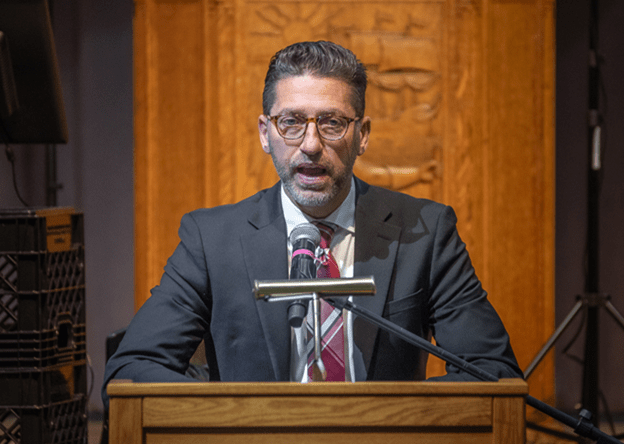
Select Board members voted unanimously on Friday to instruct Town Manager Derek Brindisi to come up with $2.5 million in proposed budget cuts to consider at its Tuesday night meeting.
In a unanimous vote on Friday, board members asked for the alternative budget proposal after listening to dire predictions about the town’s fiscal future.
The move to pen an alternative proposed budget signals growing concern among town officials over the town’s ability to raise as much money as it spends next year, and whether the taxpayers can sustain deficit spending to keep up.
The primary focus of concern centered on the rising costs of healthcare for current and former town employees, according to discussion at Friday’s meeting.
“We need to think about how we rein in healthcare costs because I don’t believe that we can sustain increases for a second straight year like we are sustaining this year,” Brindisi told the board.
The town’s healthcare costs are expected to increase by $5.1 million, and unless they are contained, Brindisi projected a fiscal crisis in fiscal year 2028.
“I am forecasting a very bleak outcome 18 months from now,” he said.
The board is set to vote on one of the two proposed budgets – Brindisi’s $343 million original proposal, or a more frugal budget that assumes one percent less in property tax revenue – at a joint meeting of the Select Board and the Advisory and Finance Committee on meeting on Tuesday.
The $343 million budget for fiscal year 2027, which begins July 1, represents a five percent increase over this year’s. After hearing the dire predictions, members of the board asked for the alternative budget to include the cuts.
The town pays 70 percent of total healthcare insurance premiums for employees and various, often more generous, percentages for retirees.
Until October, monthly healthcare claims were between $3.5 million and $4 million. Starting in October, they spiked up to almost $5 million a month, said Lynne Barrett, the town’s finance director.
Barrett told board members she erred in October when she based the cost of future health care claims on past claims, creating a $1.1 million shortfall since Brindisi first presented his proposed budget on Dec. 16.
“So, we need to up the premiums for health insurance,” Barrett said, predicting a 14 percent increase in the premiums the town pays for employees.
In addition, the premiums the town pays for retirees rose by 12 to 13 percent as of Jan. 1.
One possible hope for town coffers, if not for some patients, the insurance manager for the town insurance no longer covers some GLP-1 weight loss drugs such as Ozempic and Wegovy – used to treat obesity.
Savings from the loss of coverage could amount to more than $3 million, Barrett said. However, 339 employees and retirees could lose their access to these drugs because Blue Cross Blue Shield of Massachusetts has discontinued coverage of GLP-1 drugs for obesity as of Jan. 1, though it continues to cover them for treatment of Type 2 diabetes.
Fred Thys can be reached at fred@plymouthindependent.org.