
As summer starts to fade, be extra careful if you’re outdoors at dawn or dusk.
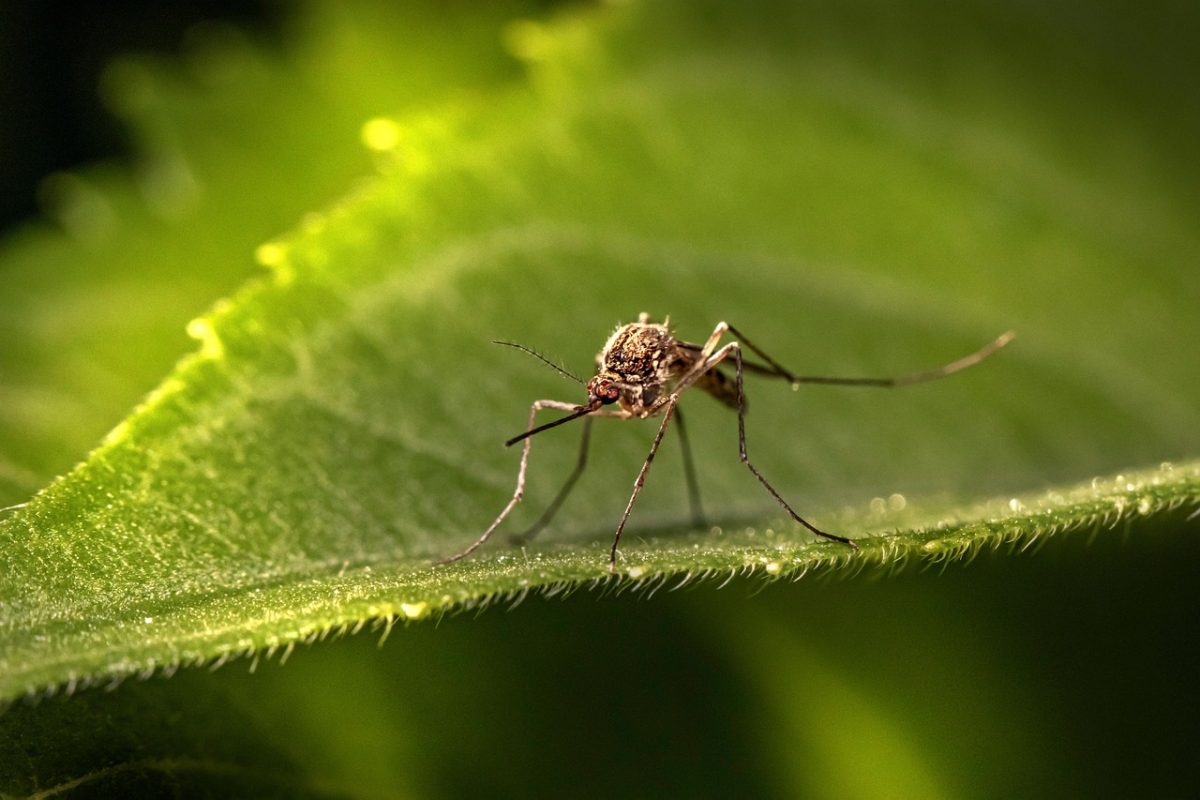
The state Department of Public Health this week said a second mosquito in Plymouth has tested positive for West Nile Virus, a serious disease that can be transmitted to humans.
Plymouth County Mosquito Control used a truck to spray pesticide in the Standish Avenue area of North Plymouth in the early morning hours of Thursday, Aug. 28. Spraying was also conducted in parts of South Plymouth on the same day.
According to the state, West Nile Virus can “cause illness ranging from a mild fever to more serious disease like encephalitis or meningitis.” People over age 50 are more likely to suffer severe symptoms.
In a press release, Karen Keane, Plymouth’s director of public health, said the federal Environmental Protection Agency “has determined that the material used in spraying does not pose an unreasonable risk to birds, mammals or drinking water sources.”
For more information – including to request or opt out of spraying, along with a list of streets scheduled for pesticide spraying – visit the Plymouth County Mosquito Control Project’s site.
So far, the state has not placed Plymouth on its list of communities considered at high risk for the virus. As of earlier this month, those municipalities included: Acton, Bedford, Billerica, Boston, Brookline, Carlisle, Chelmsford, Dracut, Lowell, and Newton.
The state DPW offers these tips to minimize the risk of being bitten by a mosquito:
- Use an insect repellent any time you’re outdoors.
- Wear long-sleeved clothing.
- Schedule outdoor activities to avoid the hours from dusk to dawn during peak mosquito season.
- Repair damaged window and door screens.
- Remove standing water from areas around your home.
Mark Pothier can be reached at mark@plymouthindependent.org.