
A controversial proposal to develop a 163-unit affordable condominium complex near the North Plymouth waterfront may have hit another roadblock last week over allegations the sellers have been quietly maneuvering to change the terms of the land sale.
It’s the latest skirmish in a long battle between Plymouth officials and developer Pulte Homes of New England. The fight has also laid bare internal conflicts within the family of well-known environmental lawyer Meg Sheehan, which owns the land.
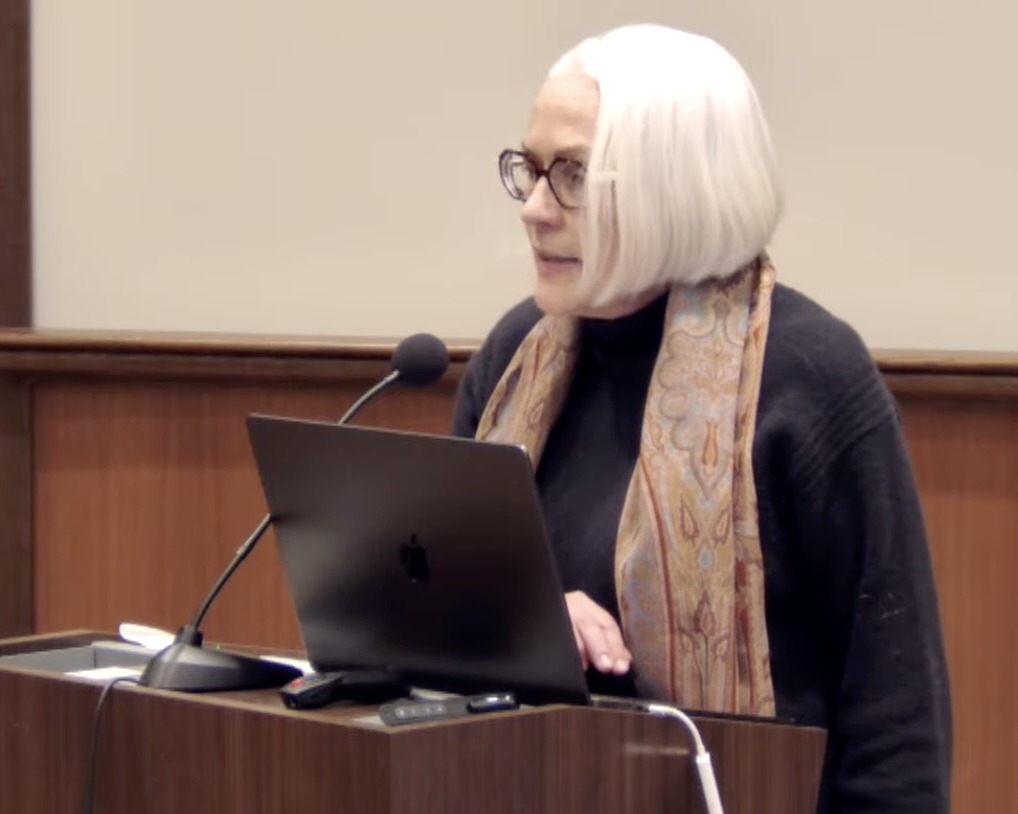
Sheehan, at odds with her own family’s plans to sell the land for development, appeared at the Jan. 5 meeting of town’s Zoning Board of Appeals suggesting that behind-the-scenes negotiations amount to a “bait and switch” on an already “absurd and ridiculous” proposal.
Sheehan has advocated to preserve the land her family owns as a natural resource.
A Pulte representative at the ZBA hearing insisted he was unaware of any plans to change the deal, which has been in the works since the original 2023 purchase and sale agreement.
But an unsigned copy of an amended purchase and sale agreement, obtained by the Independent, details changes the structure of the deal allowing two companies, each tied to different Sheehan family members, to swap key parcels included in the development, dubbed Oceanview North.
The draft amendment also describes the current plan for the neighborhood – a six-story, 63-unit building on Sandri Drive and two smaller, 50-unit buildings on Prince Street. The complex would be spread over almost three acres.
The plan that is dramatically different from the one contained in the 2023 purchase and sale agreement.
The original plan contained three proposals, only one of which involved affordable housing. The two others either contained market rate condos or condos built under the state’s MBTA Community’s Act, a law designed to spur development in communities with access to the MBTA.
The behind-the-scenes maneuvering could jeopardize Pulte’s state approval to build its controversial 40B affordable housing complex in North Plymouth.
A substantially different plan could allow the ZBA to ask the state to rescind its project approval, experts said.
After Sheehan suggested at Monday’s meeting the board members may not even know what they’re being asked to vote on, board member Ed Conroy angrily demanded answers. The board gave Pulte 48 hours to produce any purchase and sale agreements — signed or unsigned.
‘I found the information to be very shocking — something I heard for the first time at the meeting,” said Select Board member Kevin Canty, an outspoken critic of the project.
“It seems par for the course for Pulte, who consistently hides information, doesn’t provide necessary people to attend meetings and answer questions and doesn’t provide backup material for the ZBA members to review and is clearly trying to do less than the minimum to slip this by local authorities,” Canty said.
If the sellers and Pulte sign an amended, or new, purchase and sale agreement, they may inadvertently hand the town a way out.
Before the company applied for the comprehensive permit required of all affordable housing projects under the state’s affordable housing statute Chapter 40B, Pulte had to be approved by MassHousing
MassHousing approved Pulte’s application, issuing a project eligibility letter over the summer based on required evidence of “site control.” That evidence was the November 2023 purchase and sale agreement.
When Pulte presented its proposal to MassHousing for approval, the plan called for up to 132 condo units.
The actual existing project includes many more units — 163.
That number was not in the original purchase and sale agreement but is in the draft agreement.
At Monday’s hearing, Pulte’s lawyer Stephanie Kiefer said the 2023 purchase and sale agreement is still in effect and governs the project.
However, if the original agreement is supplanted by a new one, it’s possible the ZBA could ask MassHousing to rescind its approval or require changes, experts said.
The board could notify MassHousing, which would have 15 days to issue a decision, affirming, amending or denying its approval, according to Paul Haverty, a lawyer and 40B expert.
If MassHousing rescinded its approval, the project would effectively be dead.
For months, the town has been looking for ways to kill the project, citing a range of concerns including traffic, parking, safety and density.
But state officials and courts have traditionally rejected such arguments, declaring that the need for more affordable housing trumps most other concerns.
The 40B law, which has been in effect for decades, lets developers build without regard to local zoning and other regulations if a quarter of the units are classified as affordable.
Andrea Estes can be reached at andrea@plymouthindependent.org.