
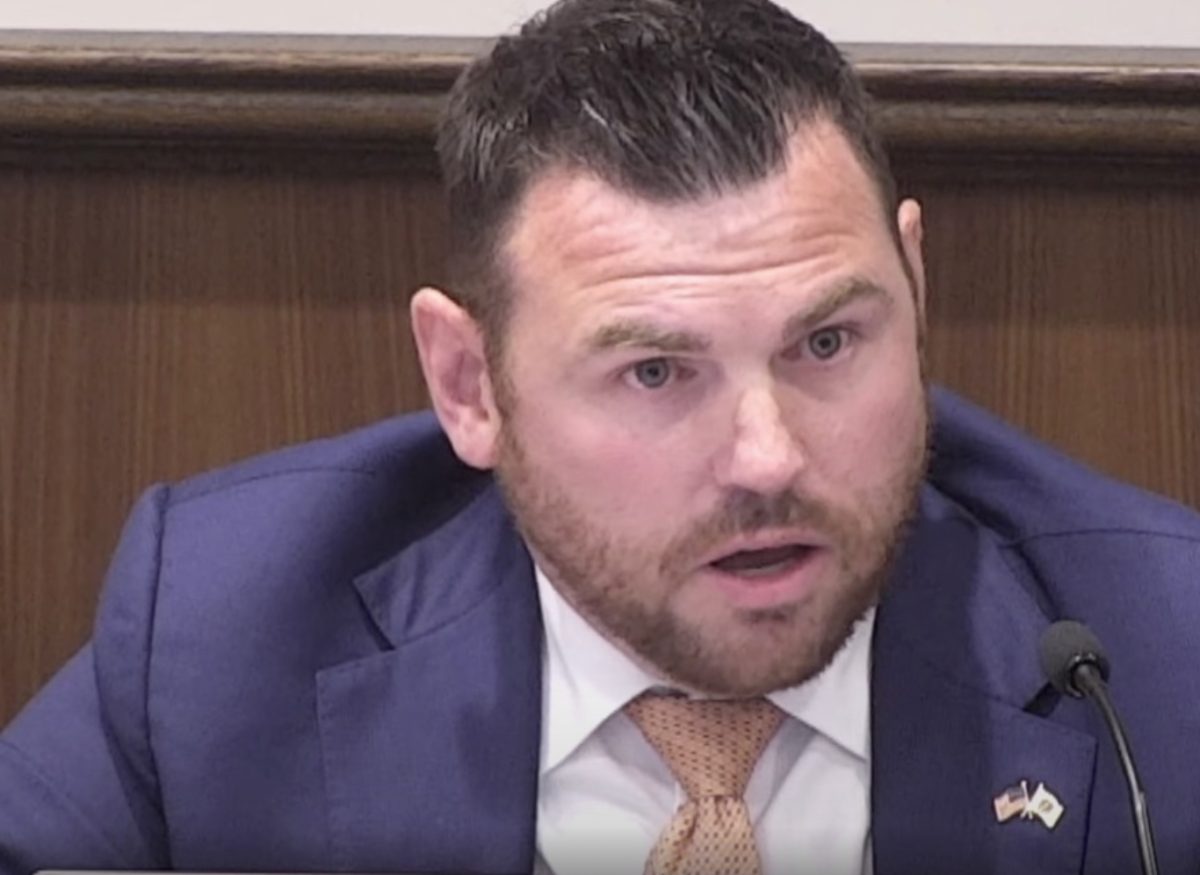
By a 3-2 vote, the Select Board has decided not to put a proposal before Town Meeting that could address one of Plymouth’s costliest expenses at a time when it faces a budget crunch, according to the board member who brought it up.
Town employees currently pay for 30 percent of their health insurance premiums. But upon retirement they are allowed to contribute at the rate they paid when they were hired. That means many retirees go back to paying just 10 percent of their premiums, a rate that is considered minimal in today’s world of rising health insurance costs and puts an added strain on town finances.
“To my knowledge, Plymouth is the only municipality that has a provision like this,” board member Deb Iaquinto said. “It’s a very generous benefit for sure and it has a significant and ongoing impact on our healthcare costs.”
Iaquinto proposed an article for the spring Town Meeting that would discontinue this benefit for new employees.
Plymouth’s costs for retirement benefits – excluding pensions – are the fourth highest in the state, after Boston, Worcester, and Springfield. One driver of spending is something called a Special Act, negotiated between town officials and unions during collective bargaining in 2003. In effect, it’s a state law that only affects a particular town or city.
Iaquinto proposed that Town Meeting consider taking this benefit away from future hires. Current employees and retirees would not be affected.
She conceded in an interview with the Independent that the measure would not save any money immediately but predicted that savings would build over time. That’s because the town’s liability for OPEB, or Other Post-Employment Benefits (benefits that exclude pensions) is $580 million, Iaquinto said. That is the amount the town must set aside to meet present and future retiree health insurance benefits. This year alone, she said, the town must set aside $1.3 million to cover those benefits.
Finance Director Lynne Barrett did not respond to a request for comment.
“This particular promise is costing us quite a lot,” said Select Board member Kevin Canty. “It’s important to take this up sooner rather than later.”
But Canty was the only board member to support Iaquinto’s proposal, the latest in a series of votes that have pitted him and Iaquinto against the other three board members.
In voting against Iaquinto’s measure, board member Bill Keohan argued that more information is needed.
“We need to get a little more feedback before we send an article to Town Meeting,” he said.
Board Chair David Golden and Vice Chair Dick Quintal said that the proposal would antagonize employee union leaders by circumventing the collective bargaining process.
“Not negotiating a proper way, I’m out,” said Quintal.
Golden agreed.
“It’s wildly inappropriate for us to even have this conversation without having first engaged our partners who are leaders of the unions,” he said.
Editor’s note: The original headline on this story read: “Fearing it would anger unions, Select Board rejects move to rein in healthcare costs.” The Independent has subsequently published an objection to that headline from the board’s chair, David Golden. The Independent did not establish that some board members are fearful of public employee unions, and regrets the error.
Fred Thys can be reached at fred@plymouthindependent.org