
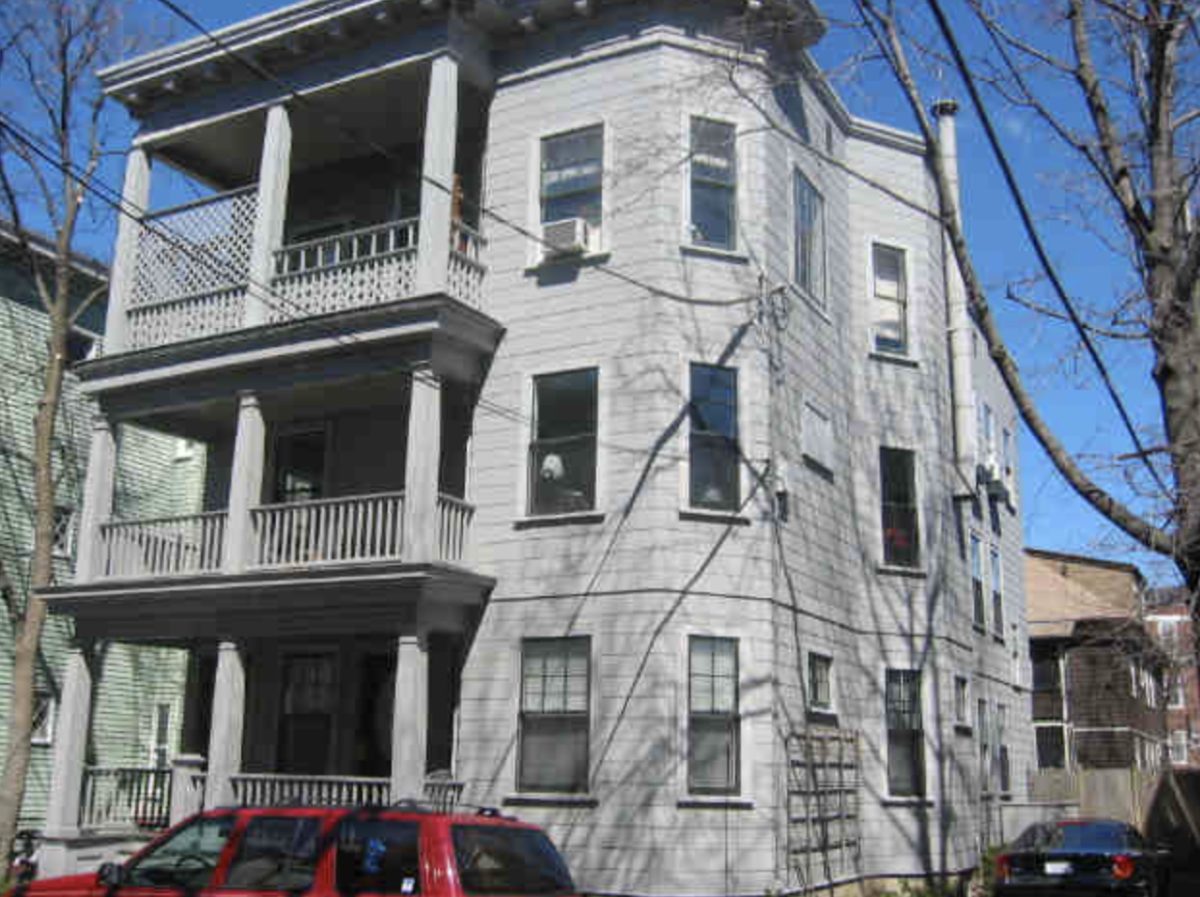
Triple-decker is a building for three families on a small lot. From the 1870s to 1930s, triple-deckers were built in New England to house working families, many of whom were immigrants. They could be a solution to affordable housing that Massachusetts is struggling with now. Unfortunately, New England society didn’t like triple deckers back then.
“Wealthier members of New England society looked down on the affordability it offered. The building was a symbol of anti-immigrant sentiment, and Providence Magazine even labeled it the “three-decker menace’’ in a 1917 article. Massachusetts in 1912 passed a law allowing cities and towns to ban triple deckers… By the 1920s, 36 municipalities in Massachusetts — including Arlington, Brookline, and Swampscott — had banned triple-deckers, and while Boston didn’t specifically have a ban in place, by the 1930s triple-decker construction had all but stopped.”
There are roughly 15,000 old three-deckers in Boston, 2,000 in Worcester, 1,053 in Somerville and more in many suburban towns of Massachusetts. In Plymouth I couldn’t find a single triple-decker. (If anyone knows of one, please let me know.)
Those triple-deckers still stand, renovated, sold, and still relatively affordable. “Last year, the median sale price of a three-family property in New Bedford was $539,000, according to the MLS. Which comes to $179,666 per unit. An average two-bedroom unit in the old triple-deckers in suburban Massachusetts sells for roughly $200,000 per unit. The market rate for a two-bedroom condominium runs from $339,000 to $750,000. Which means that the old triple-deckers cost almost a half of the market rate housing.
So if these old buildings were affordable for the earlier workforce, why aren’t new ones not built? In 2015 the Boston Society of Architects, and later the Mayor’s Office for Housing organized design competitions for the New Triple Decker. Winning projects were exhibited, developers invited to build them – and so far none have been built. After long discussions and great fanfare, Somerville “legalized” the triple decker and actually built one. In Plymouth the triple-decker is reportedly “illegal” meaning they are not permitted in their zoning ordinance.
Plymouth owns many small vacant lots, that can be filled with triple-deckers. They comply with the 35-foot building height limit. A 5,000-square-foot lot (0.11 acre) accommodates three two-bedroom units, a three-car-garage and a shared garden. Since the cost of land is 20 percent of the total cost of construction, if the town donated the land for triple-deckers, it can make the housing truly affordable for working families. This would be better than massive 40B developments that have 25 percent “affordable units” that are not affordable by working families. Wouldn’t it be better to donate underused land than give money to developers who are willing to build 100 percent affordable units?
– Anatol Zukerman