
Under fire for suggesting last-minute cuts to the town budget, Select Board members voted to back off on a proposal to slash $2.5 million in spending next year.
Instead, the board on Tuesday recommended adopting far more modest cuts totaling $28,047, including $10,000 from the town manager’s office, $2,550 from human resources and $15,497 from the planning and development office.
The vote came after a contentious five-hour session during which the board was excoriated for not anticipating the crisis and dealing more efficiently with long anticipated revenue shortfalls.
Faced with rising healthcare costs and a looming cap on how much it can raise from property taxes – a limit town officials have known about for years – the board voted unanimously last week to draft a second proposed budget cutting $1.5 million from the schools budget and $1 million from town operations, a relatively tiny slice of the $343 million total budget.
On Tuesday evening, Town Manager Derek Brindisi and School Superintendent Christopher Campbell presented the proposed cuts and their impact to a joint session of the Select Board, the School Committee and the Advisory & Finance Committee.
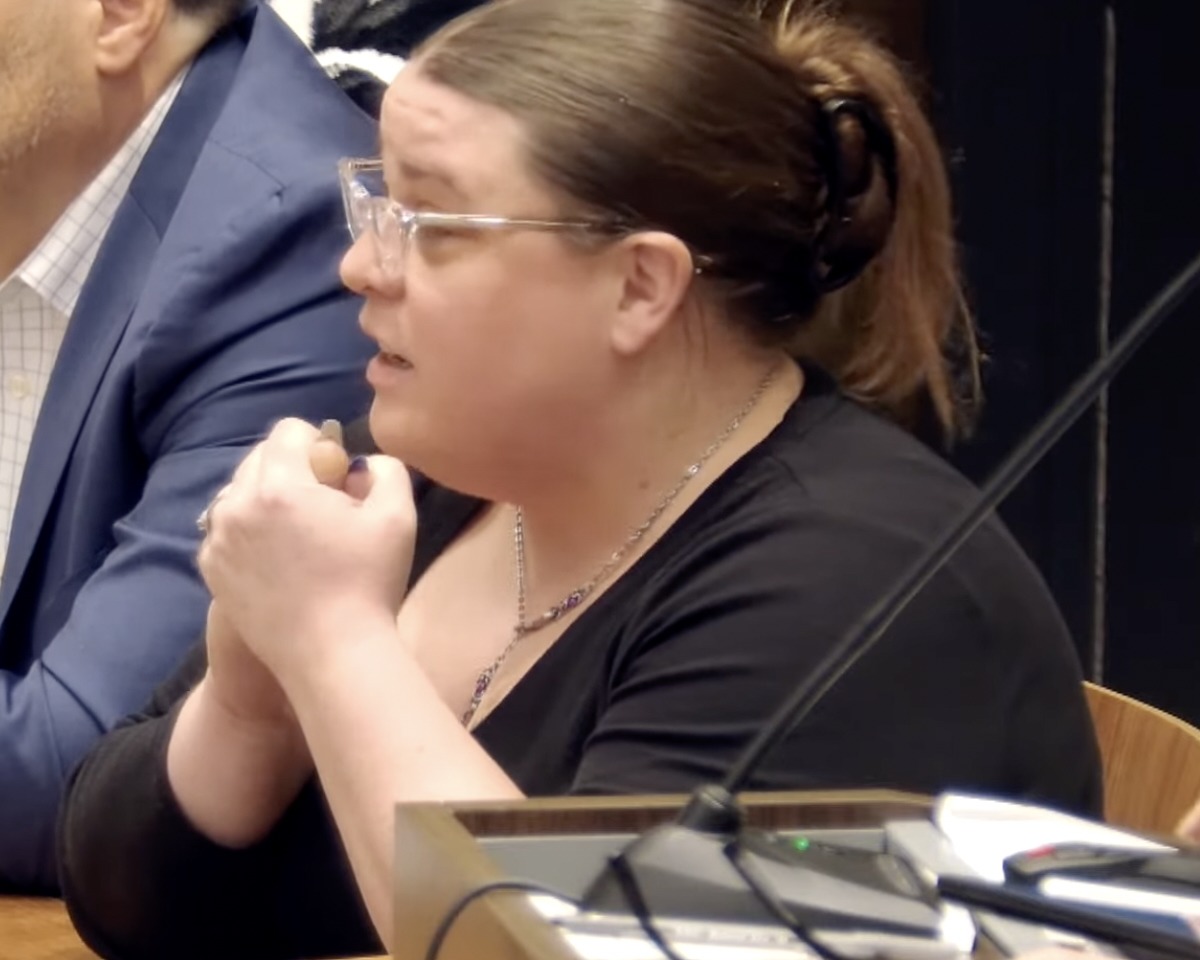
“This is something that we have known about for a decade and you are going to come to us with a game time decision to make a $1.5 million cut?” said Ashley Shaw, a member of the School Committee, aiming her comments at Select Board members. “Absolutely not. This dog and pony show that you are putting on for our taxpayers is absolutely ridiculous.”
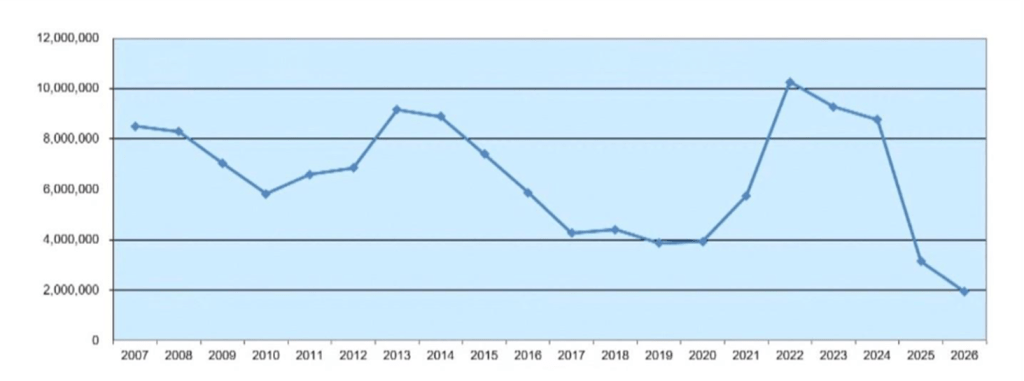
At the center of the controversy is the town’s “excess levy capacity,’’ which is essentially the difference between the maximum amount the town can collect in property taxes and the amount it actually takes in. That number has been dwindling since 2022, when the town had $10 million in excess levy capacity. This year, the excess levy capacity was projected to be $300,000, which means it is almost out of room to raises taxes without asking voters to approve a permanent tax hike through a Proposition 2 ½ override, or by reducing the budget.
Select Board Chair David Golden defended the last-minute request for potential budget cuts, pointing out that it was not until December that the board learned from Brindisi that the town’s excess levy capacity was nearly depleted.
In the end, the board refused to recommend making cuts to the school budget by a vote of 3-2, with Deb Iaquinto, Bill Keohan, and Kevin Canty voting to approve the budget proposed by School Superintendent Christopher Campbell. Golden and Dick Quintal were opposed.
The vote came after a debate between members of the three committees over where to reduce the budget or whether to reduce it at all. The heads of various town departments made presentations outlining line items they could eliminate or lower, many of them just a few thousand dollars or less. For example, one proposed human resources cut was $850 for “technical services.”
But during his presentation, Campbell said the proposed cuts to his $133 million budget could potentially mean 23 fewer teachers and rising class sizes.
“It would be devastating to the students and the staff and the families,” he said.
School Committee member Paul Samargedlis at one point directed criticism at Golden.
“To be cavalier as the leader of the Select Board and talk about administrative bloat… to get us here at the eleventh hour and say you got to cut because the taxpayers are taking it on the chin,” Samargedlis said, going on to criticize Golden for suggesting the schools could break some contracts citing budget cuts if they needed to.
“That’s petty,” Samargedlis said.
At the heart of this immediate budget crunch are skyrocketing healthcare costs. Brindisi said the town’s health insurance costs are expected to go up by 14 percent in the fiscal year that begins July 1. Cities and towns across the state are grappling with similarly steep increases in health insurance costs.
Golden indicated that the only way to address the budget problem was by decreasing spending.
“I don’t think we did enough here tonight in terms of protecting the taxpayer in town.” he said.
But had the Select Board cut the full $2.5 million from the combined $343 million schools and town budget, the average taxpayer would have saved just $80, said Finance Director Lynne Barrett.
Near the meeting’s end – which was close to midnight – Everett Malaguti, a member of the Advisory and Finance Committee, criticized the Select Board for what he called a waste of time.
“I am appalled at how the actual budget discussion went by rehashing things that should have been done by asking department heads what they actually thought about things,” Malaguti said. That, he added, should have been done well before Tuesday.
Malaguti predicted the town will need an override next year to raise the total amount of taxes it will need to pay for services. Such a vote would be unlikely to succeed if it is put to residents in a town-wide election, as Massachusetts voters rarely approve such a measure.
The Advisory and Finance Committee now takes up the budget and will eventually make spending recommendations to Town Meeting, which will make the final budget decisions in April.
Fred Thys can be reached at fred@plymouthindependent.org.