
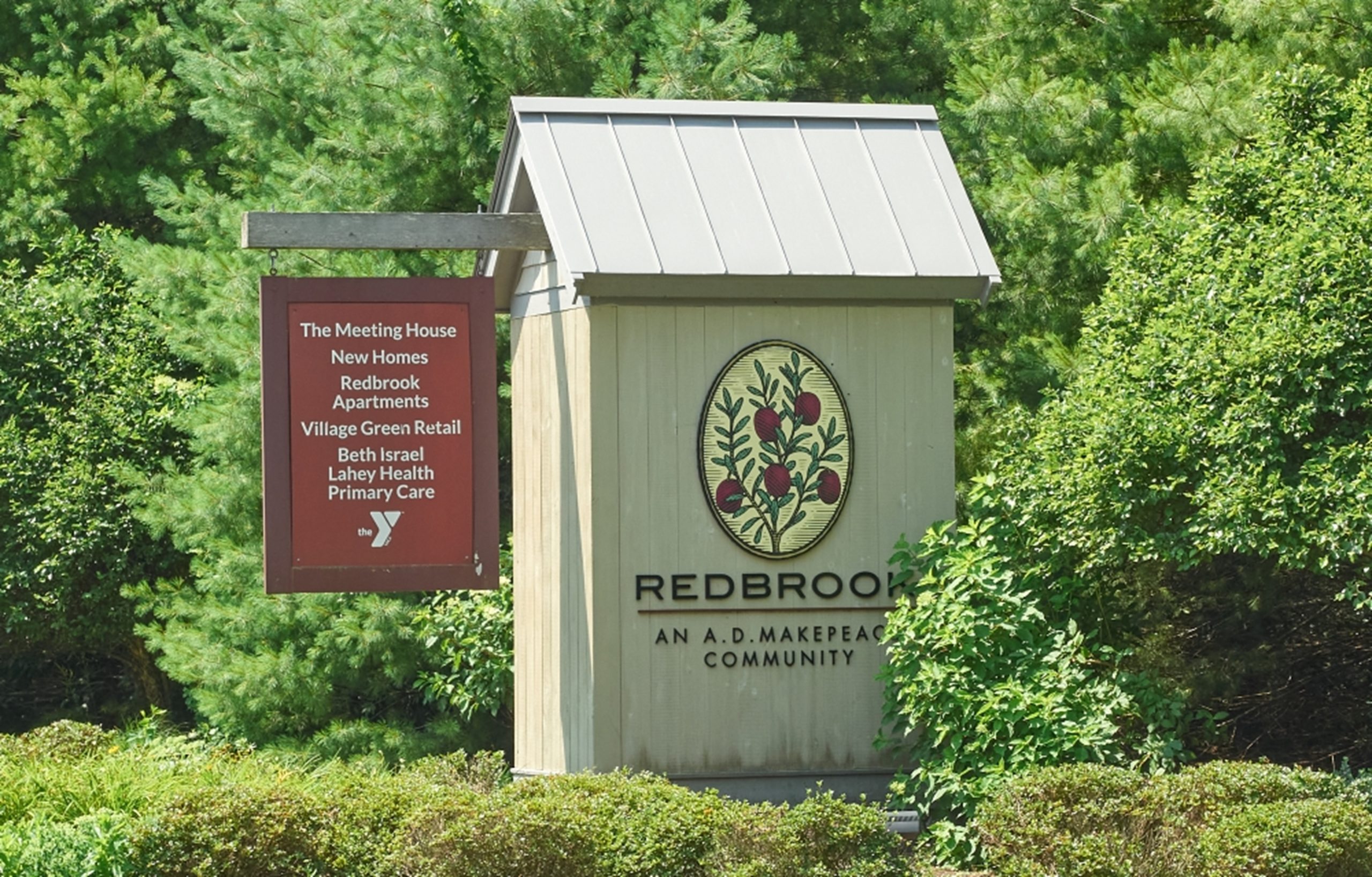
The Boston-based environmental watchdog group is accusing the developer of South Plymouth’s massive Redbrook development of illegally strip-mining millions of yards of sand and “destroying wetlands and waterways without accountability.”
The accusations came in a letter to A.D. Makepeace Company – a developer and the state’s largest cranberry grower – announcing the Conservation Law Foundation’s intent to file suit demanding the company restore wetlands, comply with federal permitting, and pay a “significant” fine.
A.D. Makepeace spokeswoman Linda Burke dismissed CLF’s charges saying, “Baseless attacks on the cranberry industry like this have been going on for more than five years and not once has any court, state agency, or local board found any impropriety.”
In its letter of intent, CLF alleges the environmental damage has been ongoing since at least 2012 — and at multiple sites, including two cranberry bogs in Plymouth and two in Carver.
They are described as the Smith-Hammond and Wankinko bogs in Carver and the White Island and Canning Bogs in Plymouth.
“In order to excavate and extract sand and gravel, A.D. Makepeace conducted commercial sandmining at the sites,” says the letter notifying Makepeace of its intent to sue in US District Court.
“This strip-mining involved clearing forests and land of trees and vegetation, leveling hills, removing topsoil, and removing layers of sand and gravel. A.D. Makepeace also dredged underlying aquifers for earth materials.
“A.D. Makepeace discharged tons of sand, gravel and dredged material into navigable waters…. permanently filling acres of wetlands and filling or altering perennial streams. The partial or complete filling of wetlands and streams poses serious risks to the environment and to the safety of surrounding communities,” the letter said.
“Dumping sand, soil and debris into protected waters without required federal permits violated the Clean Water Act, increasing water pollution, elevating flood risk, and causing significant habitat destruction” CLF officials wrote.
In the required letter of intent, the Foundation said its suit will allege the Wareham-based company has violated the federal Clean Water Act by systematically filling and damaging wetlands and waterways across Southeastern Massachusetts.
“Because of the threat to downstream communities and ecosystems that depend on clean water and flood protection, CLF is taking action,” said Heather Govern, its vice president for clean air and water.
The company has insisted in other litigation it has engaged only in “lawful and legitimate business activities”, and its opponents were seeking to “halt economic development in Southeastern Massachusetts.”
The company’s website touts its “environmentally responsible real estate development and stewardship.”
Under federal rules, CLF was required to give A.D. Makepeace 60 days’ notice of its intent to sue. Should the lawsuit succeed, penalties can be as much as $68,445 per day for each violation after Nov. 2, 2015, CLF’s letter to A.D. Makepeace says.
The allegations outlined in Monday’s letter echo those made by environmental lawyer Meg Sheehan and her group, the Community Land & Water Coalition, which for years has been calling out A.D. Makepeace and other companies for alleged sand mining pollution.
In August 2024, Sheehan filed a 117-page $20 million federal lawsuit alleging she was victimized by officials in Plymouth and Carver as well as leaders of businesses, including A.D. Makepeace, because she exposed the “shadow industry” of sand mining in Southeastern Massachusetts.
The suit, which is still pending, accuses 11 defendants of violating her constitutional rights by harassing and demeaning her for her “entirely altruistic” work on behalf of grassroots groups and concerned residents opposing the “unlawful” removal of sand, a valuable natural resource.
“Sheehan began to shine a light on an industry that prefers to operate in the shadows,” alleged the suit filed by her lawyer, Joan Lukey. “She stepped in to fill a void willingly, but totally unprepared for the onslaught that would follow.”
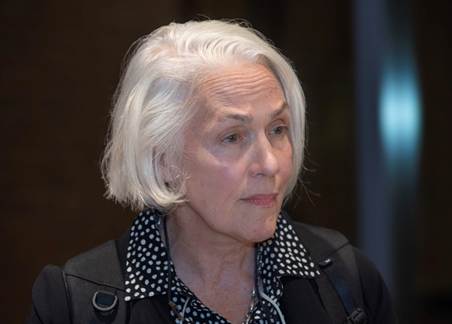
She was targeted by the defendants on Facebook pages where anonymous critics attacked and ridiculed her.
Through court orders, Sheehan was able to identify the person who created the Facebook page “Meg Costs Us Millions,” where she was called an “old crone” or “the second coming of Cruella de Vil.”
It took several months, but Sheehan discovered the source of “Meg Costs Us Millions” — Michael McVeigh, A.D. Makepeace’s in-house lawyer.
Company officials eventually acknowledged that Sheehan was right. But in a fiery court filing, the company’s lawyers defended McVeigh’s actions.
“These posts did not come out of nowhere,” wrote lawyers for A.D. Makepeace and McVeigh. “They arose in response to (Sheehan’s) campaign … aimed at blocking permits and regulatory approvals and stopping the companies’ work.”
“While some of the postings and comments were distasteful, the lawyers said, “they were all made to counter (Sheehan’s) statements and garner public opinion against her positions.”
A bill pending in the state legislature would protect drinking water and public health from sand mining pollution.
CLF spokesman Michael Naughton said the group targeted A.D. Makepeace because it is “among the worst offenders and has never had a federal permit for filling the wetlands.
“CLF has not ruled out suing other offenders at a later date,” he added.
Sheehan, in an emailed statement, said her group “appreciates the longstanding support of CLF of communities and our environment. Enforcement of the Clean Water Act is a critical part of protecting our communities from the ravages of sand mining in Southeastern Massachusetts.”
Andrea Estes can be reached at andrea@plymouthindependent.org.