A move to toss out Plymouth’s Town Meeting form of government – one critics call antiquated and inefficient – is in the works, renewing an effort that’s failed at least twice since the turn of the century.
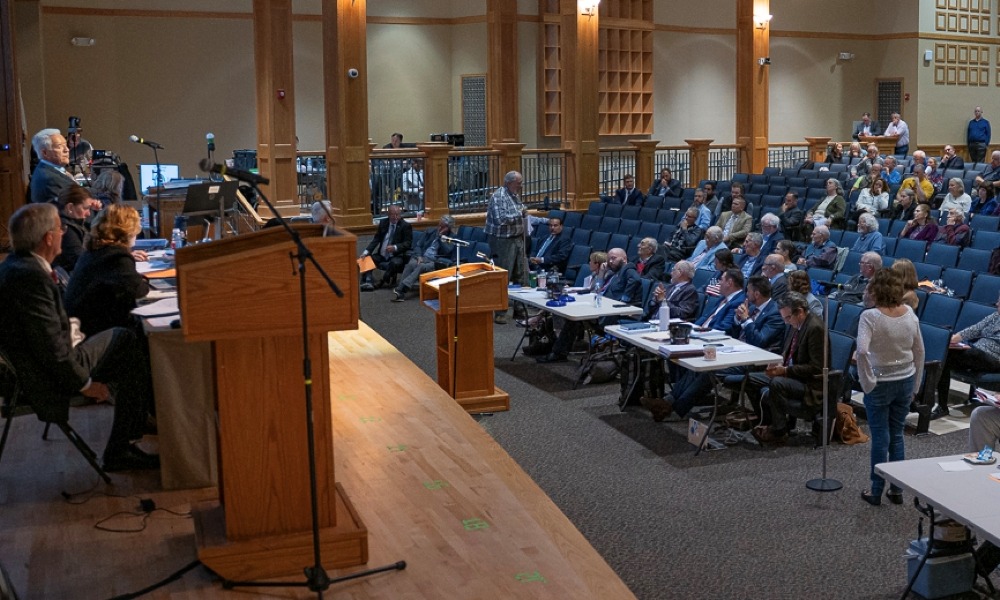
The latest attempt surfaced at Tuesday’s joint meeting of the Select Board, Planning Board, and Plymouth Foundation called to discuss ways to improve the town’s approach to economic development at a time when it faces a fiscal crunch.
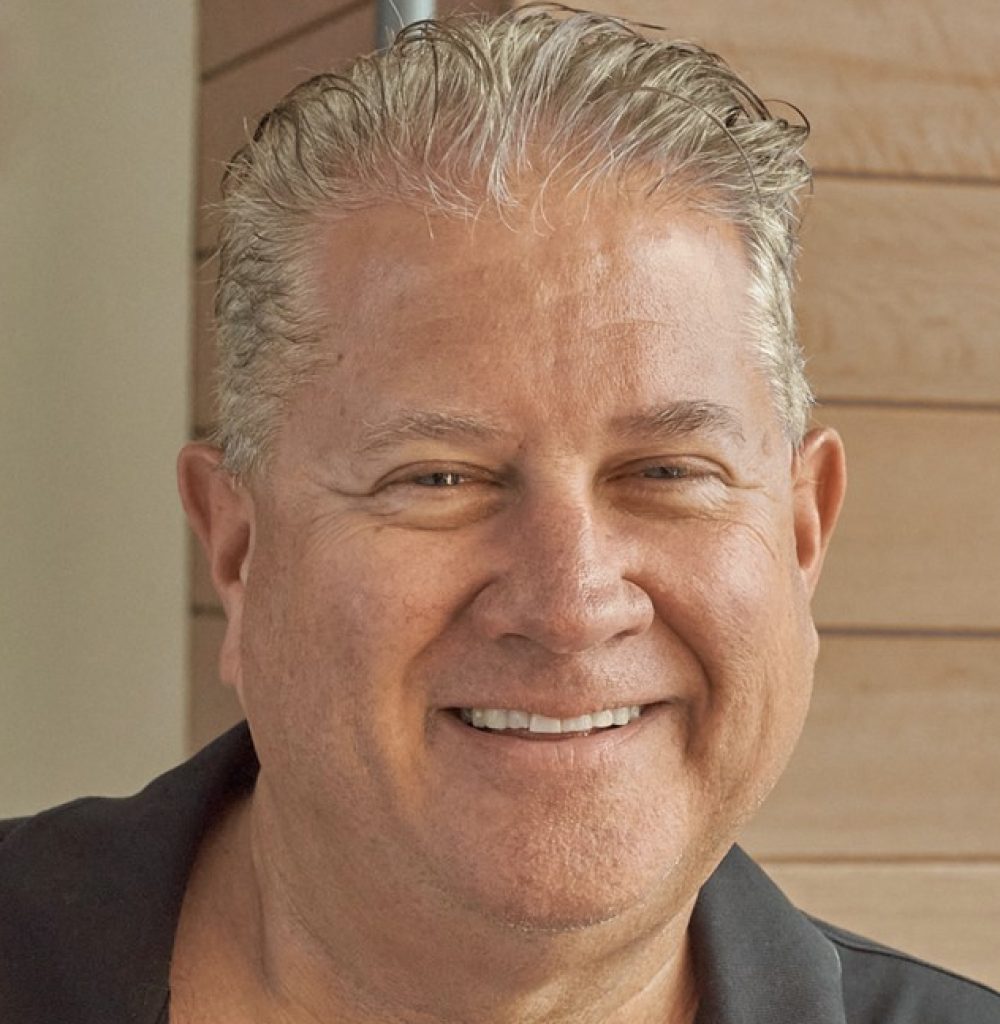
“We need to address the elephant in the room, and the elephant is the form of government we have,” said former State Rep. Matthew Muratore, now a director of the Plymouth Foundation.
After the meeting, Muratore told the Independent he’s part of a group that’s been working on the idea for several months, motivated by what it sees as the limitations of a representative Town Meeting and the current form of government.
“We are such a large community, trying to get things done twice a year is not acceptable anymore,” he said. “This is nobody’s fault. I don’t criticize town government, and I love Town Meeting. But times have changed and now we have to change.”
But any changes will not happen quickly.
The unnamed group behind the effort is expected to launch a public campaign in the coming weeks to establish a Charter Commission that will consider alternatives to Town Meeting. Commission members would have to be elected in a townwide vote. Any changes it recommends would then have to be ratified by voters.
“People will be surprised by the wide array of people who are part of this,” he said.
Muratore said the group will soon launch a website and fundraising campaign. It will need to gather the signatures of 8,000 Plymouth voters to get a Charter Commission question on the ballot in the spring of 2027, Muratore said. The group will also support a slate of candidates running for the seats on the commission who want to see something other than the current form of government.
Plymouth’s Town Meeting dates to colonial times. It is the town’s legislative body with jurisdiction over the budget, zoning regulations, and other bylaws. It typically meets twice a year, in spring and fall. Members are elected by voters in each of town’s 18 precincts. The Select Board acts as the executive branch of government.
Several efforts over the years to move Plymouth to another form of government, such as mayor and town council, have fizzled. The latest was in 2022, when voters created a Charter Commission to consider the move, but the elected commissioners ultimately decided to keep the current form of government.
Proponents of the move could face the same opposition as in the past.
“We’ve had this very special representative form of government for 400 years and I do not want to see us lose it,” said Select Board member Bill Keohan, who served on the 2022 Charter Commission. “It gives ordinary citizens many opportunities to get involved and have a voice. Can we make improvements? Of course. But let’s not throw out the baby with the bathwater.”
Muratore said he believes opposition to change has waned.
“I have talked to so many people who weren’t in favor of it four years ago, but now they are because they see the need for change,” he said.
The issue was discussed publicly only briefly Tuesday, with the balance of the meeting featuring a broader discussion on the need to foster “smart growth” to help grow the tax base and pay for town services.
There were presentations by Plymouth Foundation Executive Director Stephen Cole, Lauren Lind, the town’s new director of planning and development, and Steven Bolotin, chair of the Planning Board.
They discussed strategic development of the small amount of available commercial land, the limited water and sewer capacity to support more development, the need for more affordable housing, and cumbersome zoning and permitting processes often frustrating potential developments.
“Commercial or industrial development alone is not a silver bullet. There’s just not enough land,” Bolotin said. “We have to start thinking about smart commercial and residential development combined. It’s not one or the other, they have to work together.”
While no decisions were made, the participants agreed to continue their discussions.
“This is the beginning of a conversation, not the end of a conversation,” said Select Board Chair David Golden. “We need to keep this on the docket moving forward with an eye towards the October Town Meeting.”
Golden noted some general consensus among the three boards on considering revisions to the zoning bylaws to promote growth, affordable housing, and streamlining the “red tape” of town permitting processes.
“We have challenges, but challenges are opportunities,” said Select Board member Deb Iaquinto. “In order to keep the momentum going, I would love for us to have a discussion about the different potential models for an in-house economic development process, working in collaboration with the foundation.”
Muratore, who is a business partner with Plymouth Independent board member Patrick Flaherty, said he agreed with all the ideas suggested Tuesday night, “but they only will get us so far. We need to look at our form of government to achieve what we want to achieve.”
Michael Cohen can be reached at michael@plymouthindependent.org.