
When faced with conflicting narratives about public health, I will always choose to listen first to independent, peer-reviewed science, particularly when it comes from researchers affiliated with the Harvard T.H. Chan School of Public Health rather than reassurances from a company with a direct financial interest in minimizing concern.
The recently published Environmental Health study does not rely on conjecture or scare tactics. It examines real cancer incidence data in communities living near nuclear facilities, including Pilgrim, and identifies statistically significant increases. That deserves serious attention, not dismissal.
Holtec’s response emphasizing that we “live in a radioactive world” and that exposure levels are “tiny” ….sidesteps the core issue. The question is not whether radiation exists naturally, but whether avoidable, human-caused exposure is being added to communities without their consent, transparency, or long-term health assurances.
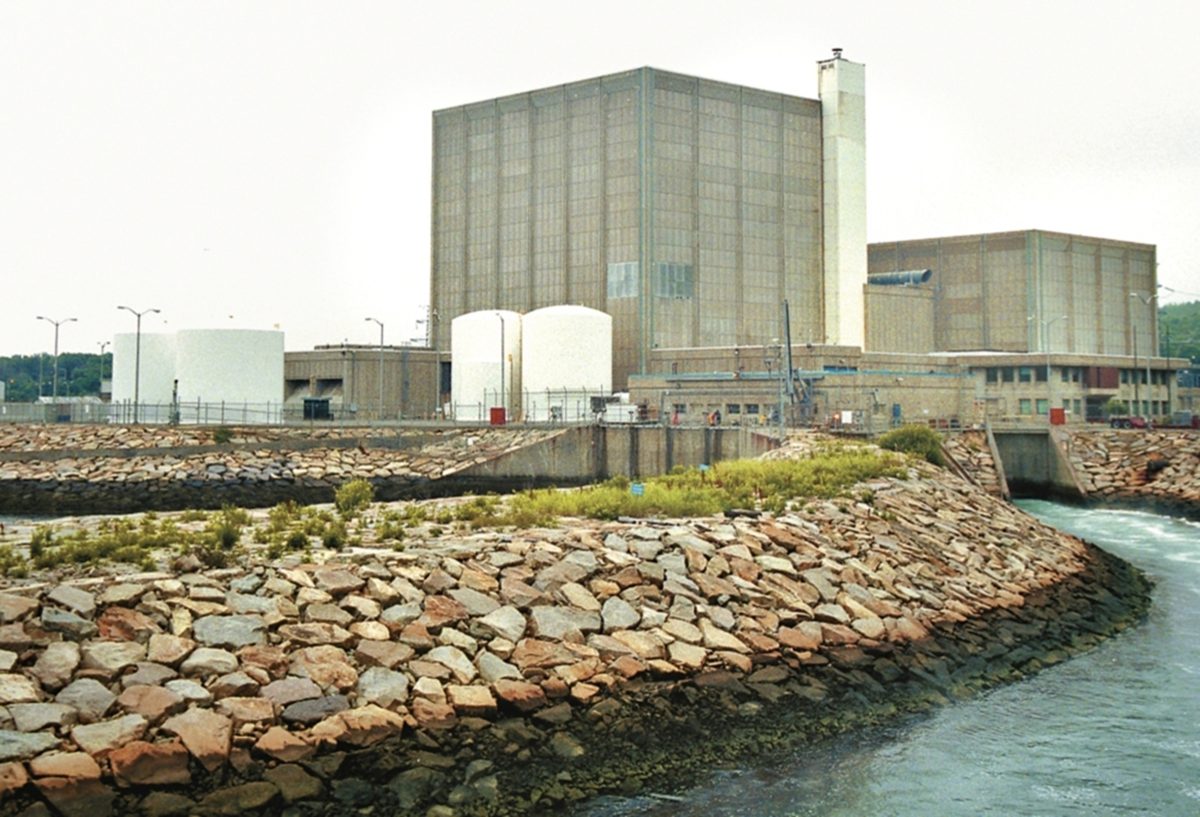
Plymouth residents are rightly concerned about ongoing practices at the Pilgrim site, including the release of radioactive wastewater and evaporation processes that introduce contaminants into our air and our designated ocean sanctuary. These are not abstract fears; they are local, environmental, and generational concerns.
Public confidence is not built by downplaying independent research or reframing legitimate community questions as “scare tactics.” It is built through transparency, accountability, and a willingness to pause, listen, and act when credible science raises red flags.
When Harvard researchers raise concerns about cancer risk in our community, they deserve to be heard not brushed aside by corporate talking points.
– Christine Silva