
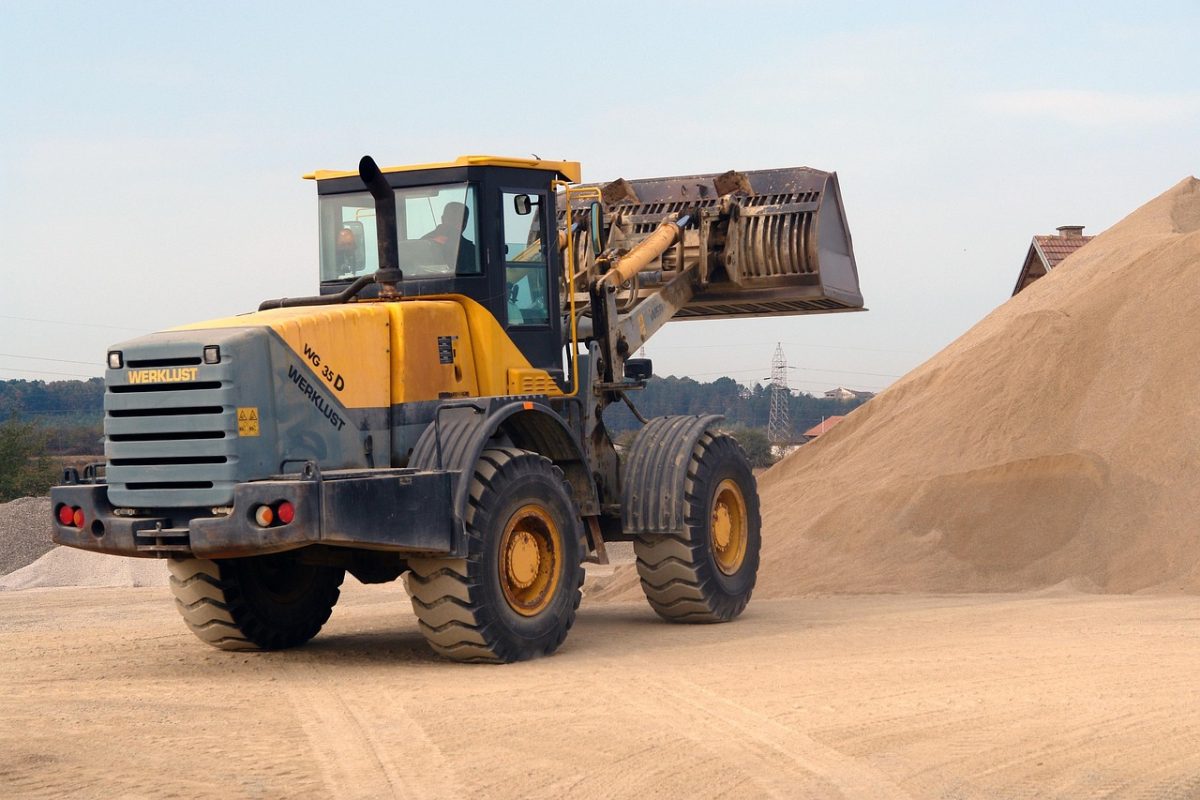
Strip mining of sand has been the scourge of Plymouth’s natural landscape for decades. This industry has had a pronounced impact on the landscape of southeastern Massachusetts. Areas that have been mined resemble deserts or moonscapes when viewed on satellite imagery. Plymouth, Carver, Wareham, and neighboring towns, because of their large amounts of glacial sediment – containing high quality, commercial-grade sand – have witnessed dozens of projects to extract sand. Plymouth has allowed the removal of tens of millions of cubic yards of sand in spite of the fact that mining of sand, or anything else, is not allowed as a primary land use in any of the town’s zoning districts. An estimate prepared by the Plymouth Stewardship Alliance (in which I participate) puts the volume permitted to date at more than 20 million cubic yards, a truly massive scale, and that’s without counting projects for which no data are available
The town’s current Earth Removal Regulation in the Zoning Bylaw has proven to be relatively ineffective in limiting the growth of this industry as opportunistic developers have exploited a known loophole to gain approvals for projects that would not otherwise be permitted. They have claimed that large-scale mining of sand is “necessary and incidental” to the construction project or agriculture being proposed. The reality is that mining sand can be much more lucrative than constructing buildings or farming cranberries.
Why propose a change now? The price of sand has doubled in the last fifteen years, from $260 to $522 per ton (data from US Dept. of Labor, Producer Price Index for Construction Sand, Gravel, and Crushed Stone, 2010-2025), driving demand for new sources of sand. The number of development projects being proposed in Plymouth that include commercial-scale sand mining has grown in lockstep with this trend.
Tens of millions of cubic yards of sand have been excavated and trucked away, leaving behind a scarred landscape. Acres of trees have been razed, wildlife habitat destroyed, carcinogenic silica dust cast into the air, the tranquility of nearby residential neighborhoods disturbed, and heavy trucks loaded with sand have lumbered down narrow, secondary roads day in and day out.
The land forms that make up Plymouth were thousands of years in the making. Once this landscape has been altered by strip mining it can never be fully restored. Our natural legacy is being lost, one project at a time. Public outrage at this naked exploitation of our natural resources, desecration of indigenous sites, and destruction of ecosystems has not appreciably slowed these projects.
Sand mining is not, as some have claimed, economic development. I have a perspective on this as past president and chairman of the board of the Massachusetts Alliance for Economic Development (now known as MassEcon), a nonprofit partnership of business, industry leaders, and government dedicated to the economic growth of Massachusetts. I doubt that any of my colleagues there would have considered sand mining to be a business they would want to attract to their communities. There are real economic costs associated with the environmental damage being inflicted. Moreover, this industry does not create permanent, good-paying jobs nor does it generate tax revenues commensurate with the high value being derived by the property owners. Instead, large-scale sand mining plunders our natural resources and blights the landscape.
Plymouth’s picturesque, coastal landscape is a key economic factor for both residents and visitors, and it is being despoiled. There is no viable case for continuing to place private profits above the public interest. It is time to adopt rules and regulations that prohibit or appropriately limit commercial sand mining in Plymouth. Preserving the status quo could turn Plymouth into a wasteland over time.
A warrant article has been submitted for consideration by fall Town Meeting by the Plymouth Stewardship Alliance, a network of local people with more than 100 years of environmental experience. This article will, if adopted, impose a temporary moratorium on large-scale, commercial earth removal in Plymouth. Smaller projects such as home building are exempted. I hope that Town Meeting will take advantage of this opportunity to pause sand mining in Plymouth and launch an investigation into the economic and environmental consequences of this practice. A carefully designed zoning bylaw change is needed to give the town greater regulatory control over this burgeoning industry before it’s too late.
– Eric P. Cody