
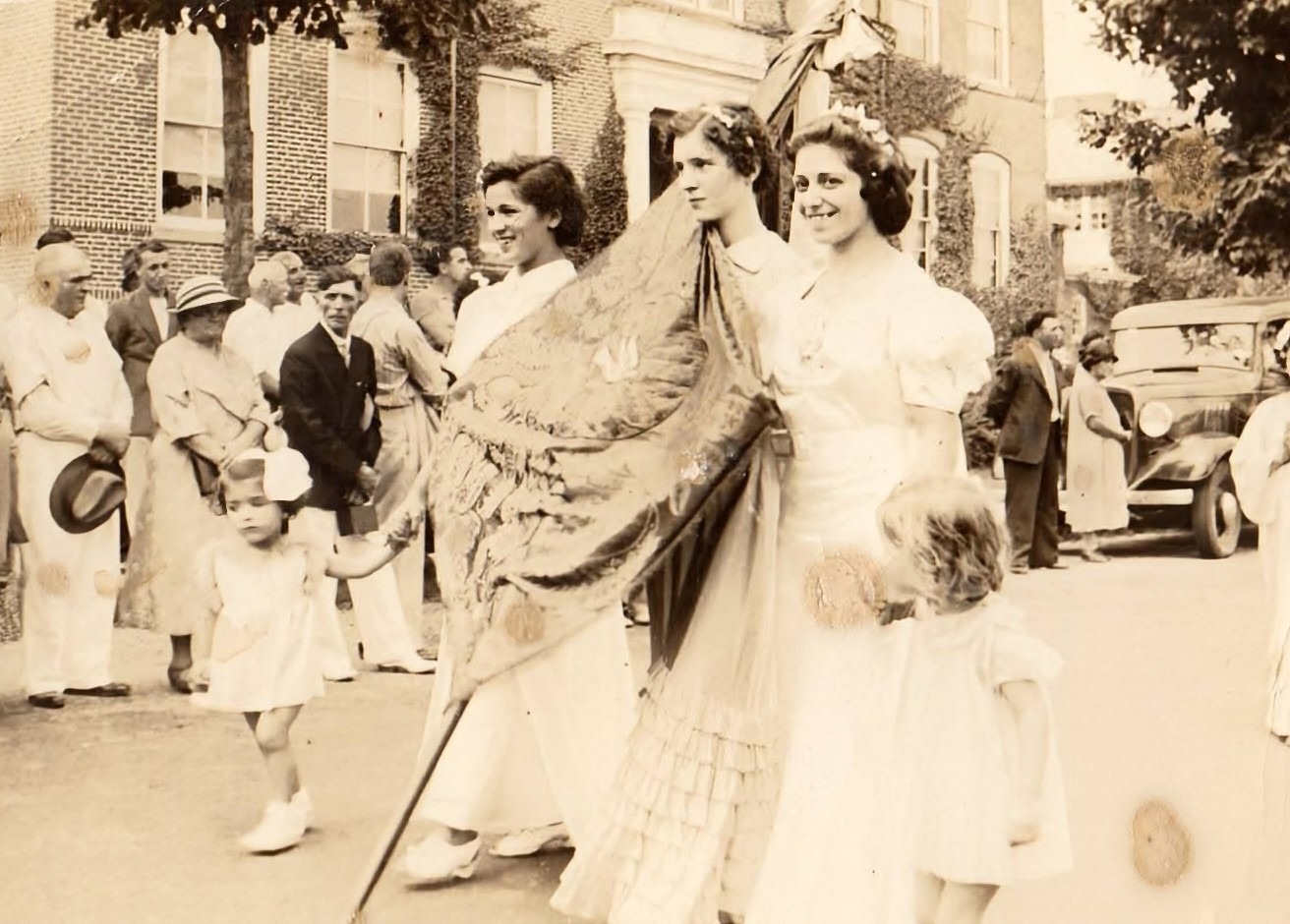
My grandmother, Lena Ruffini Fornaciari, was born in Italy. She was fluent in Italian, of course, but also spoke English without an accent, and like so many of her generation growing up in North Plymouth, she was proficient in Portuguese as well.
When Lena and my grandfather married, they built a house in 1942 on Standish Avenue, just south of the North Plymouth business district. That neighborhood was reflective of North Plymouth’s core-Italians, Portuguese, and a dash of Germans. Ten years later, my grandfather built my parents a house two doors away, which is where I was born in 1962.
Portuguese and Italian culture were so intertwined that it wasn’t until I was into early adulthood that I realized that tootlaings and Bolognese sauce were Italian, while linguica, chourico, and sweet bread were Portuguese.
The same can be said of the Holy Ghost Festival, which will be celebrated this year on Sunday, July 20. As a young child, I didn’t know that the festival we adored originated in Portugal. For me it simply meant parades, fireworks and an abundance of food at a field off South Cherry Street. And when I was older, it was where I enjoyed drinking illegally in the beer tent because people who had known me since childhood turned a blind eye (perhaps in part because it was during the confusing period when the drinking age jumped from 18 to 21 overnight).
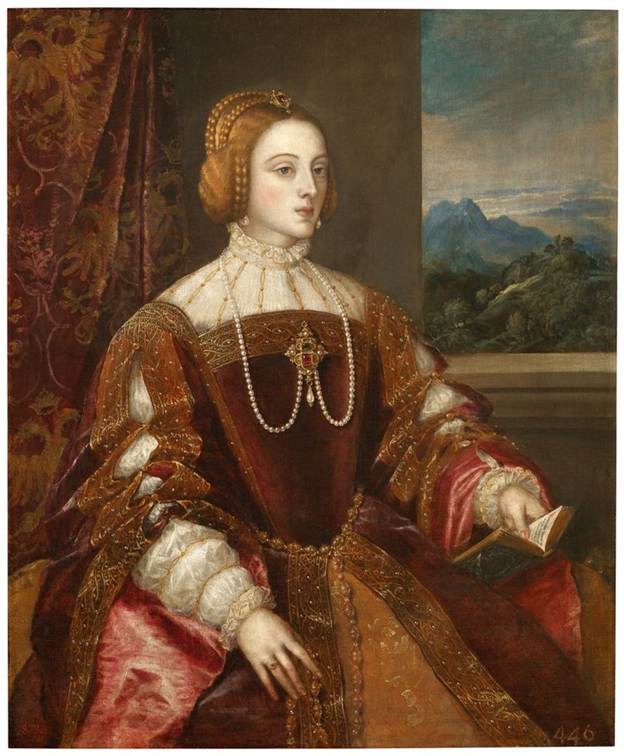
The origin of the festival dates to the 14th century. The Colónia Portuguesa do Divino Espírito Santo explains that it was inspired by “the miracle of a 14th century Queen St. Isabella of Portugal, who helped to feed the poor during a time of famine that ravaged the Azores and Portugal.”
She had deep faith in the Holy Spirit and often prayed, asking for food to feed the poor. When able, she would hide food in the folds of her cloak and secretly deliver it to the poor. On one such occasion, her husband, King Dinis, who did not approve of her feeding the poor, demanded to know where she was going and what she had under her cloak. When she opened her cloak, the bread had turned to roses (or in some legends doves). It is said that this miracle occurred due to her faith in the Holy Ghost and saved her from being caught in an act of defiance to the king.
Queen Isabella promised the Holy Ghost that if her people were delivered food, she would give her crown to the church. Her prayers were soon answered when a ship arrived loaded with food and supplies to feed the starving, thus ending the famine. The queen then placed her crown on the head of a peasant girl, thereby starting the tradition of the first Holy Ghost “crowning,” festa, and procession.
I had the opportunity to talk with Brian Sousa (yes, the Mr. Sousa, who taught Spanish to so many Plymouth-Carver High students) about the history of the festa here in Plymouth. It began around the turn of the 20th century. After establishing themselves in Plymouth, Portuguese residents began to reintroduce customs and celebrations from their ancestral homes. But there isn’t much known about the early festas and at the onset of World War II, the festa was canceled.
In 1958, the festa was reborn in North Plymouth. Early celebrations began seven weeks prior to the actual festival date with Domingas. The Domingas took place in the Portuguese homes of members of the Holy Ghost Society whose names were chosen by lottery. Beginning on Saturday, festa members would display the festa crown at their homes. In addition to providing a shrine for the crown, members were expected to provide food and drink to those coming to pay their respects throughout the week. The last week of the Dominga, the crown would reside in the home of the Society President in anticipation of the weekend celebrations.
The final weekend of festivities began on Friday with the opening of the field on South Cherry Street and the praying of the rosary. Food was prepared and the crown was displayed in a small structure known as the crown house. Saturday, the celebration would continue with a battle of bands – each one on a different bandstand – and, of course, more food. (Oh, the food!) Saturday evening was the time for fireworks.
On Sunday morning, a procession would begin at Siever Field proceeding through North Plymouth to St. Mary’s Church for a Mass celebrating the Holy Ghost, and for the crowning of a young man or woman. Following Mass, the congregation and Society members would make the trek to the festa field for one last celebration that would include beloved Portuguese food as well as an auction featuring goats, chickens, rabbits, and, of course, more food.
These weeks-long celebrations lasted until the early 1980s, when many factors combined to push the Society to limit the festa to a single Sunday. The Portuguese elders of North Plymouth were passing, as was the traditional neighborhood of my childhood. Additionally, the whole community suffered a devastating blow in the late 1960s after the Cordage Company closed.
This year’s celebrations begin on Sunday morning with a 10 a.m. Mass at St. Mary’s. Afterward, the crowning will take place, followed by the procession to the field. Food, as always, remains the highlight of the day. The folks manning the ticket sales, food prep, and raffles are often my childhood playmates and schoolmates, now with gray hair.
Despite being scaled back, the Holy Ghost Festival is a highlight of my summer and one my daughter and I both look forward to. It’s just a matter of getting there early enough to get our fill of linguica, malasadas, sweet bread, and fava beans.
If you’ve never been, it’s an event worthy of your time. And if you’re a North Plymouth townie, it’s a day to recall the glory of what was an amazing neighborhood, one where I am deeply thankful to have grown up.
Architect Bill Fornaciari is a lifelong resident of Plymouth (except for a three-year adventure going West as a young man) and is the owner of BF Architects in Plymouth. His firm specializes in residential work and historic preservation. Have a question or idea for this column? Email Bill at billfornaciari@gmail.com.